The Hidden Security Debt Inside NCR's Historic Homes—And How to Fix It Without Losing the Past
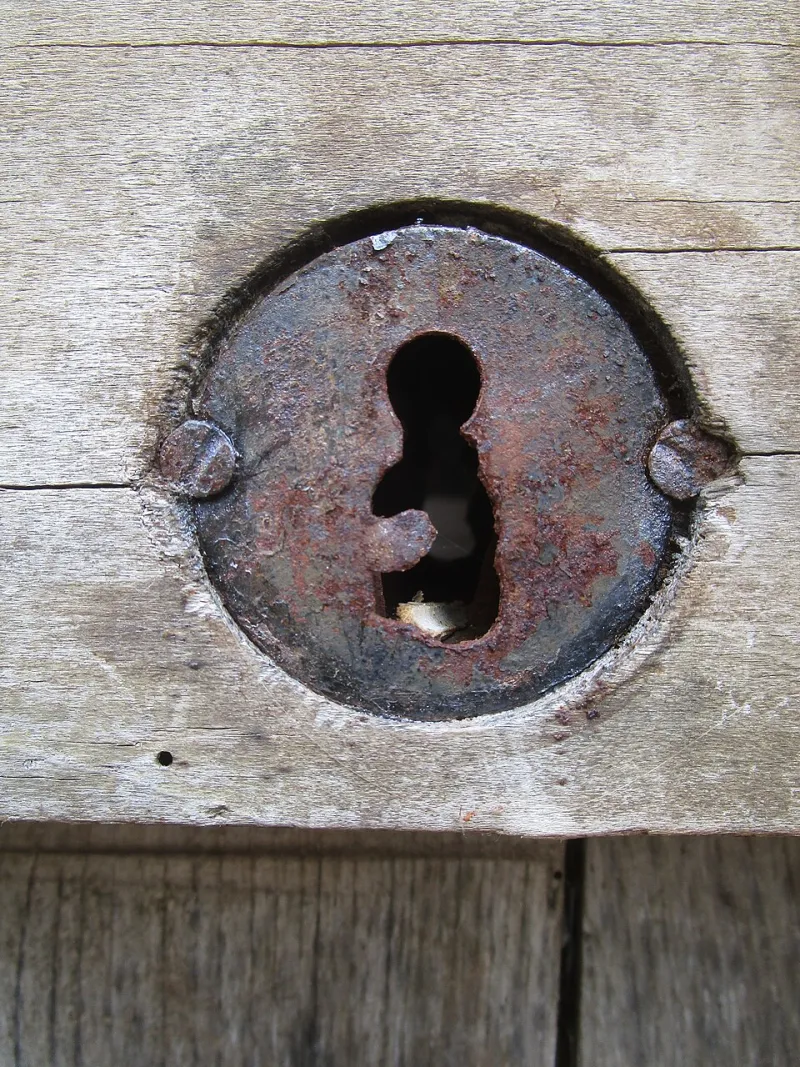
Photo: ENRICORENIERO55, CC0, via Wikimedia Commons
There is a particular irony embedded in the walls of many of Washington's most beloved neighborhoods. The rowhouses of Capitol Hill, the Victorian colonials of Takoma Park, the Federal-period townhouses of Old Town Alexandria—these are properties that owners invest enormous sums to preserve and protect. Yet the very locks guarding those investments are, in many cases, mechanisms that a determined intruder can defeat in under a minute.
This is not a theoretical concern. Locksmiths operating throughout the NCR regularly encounter residential hardware that dates, functionally if not physically, to an era when bump keys were not widely understood and when pick-resistant cylinders were considered an industrial specialty rather than a consumer necessity. The gap between the perceived security of a beautiful antique lockset and its actual protective capacity can be startling—and expensive.
Understanding What "Historic Hardware" Actually Means
The phrase "original hardware" is frequently used as a selling point in NCR real estate listings, and understandably so. A genuine Victorian mortise lock with its decorative escutcheon and ornate key profile is a tactile connection to the home's history. But the security calculus embedded in that hardware was designed for a world in which residential burglary techniques were far less systematized than they are today.
Most pre-1970 residential locks in the NCR fall into one of several vulnerable categories. Skeleton-key mortise locks, common in homes built before World War II, operate on a warded mechanism that offers minimal resistance to a set of inexpensive picks or even a carefully shaped piece of wire. Older pin tumbler deadbolts, installed during mid-century renovations, frequently lack the hardened steel inserts and anti-drill plates that are now standard on quality hardware. Many have also accumulated decades of wear, reducing the precision of their tolerances and making them easier to manipulate.
The problem compounds when homeowners have had keys duplicated repeatedly over the years. Original key profiles for older locks are often not under any registered patent protection, meaning copies can be made at any hardware store without restriction. There is no reliable way to know how many copies of a Victorian home's original key are circulating in a neighborhood.
The Insurance Dimension Most Owners Miss
Property insurers operating in the DC metropolitan area have grown considerably more sophisticated in how they assess residential security. A handful of major carriers now specifically inquire about lock grades and deadbolt certifications during the underwriting process for homes in high-value historic neighborhoods. What owners frequently discover—sometimes after filing a claim—is that their policy's coverage assumptions were based on hardware meeting current security standards, not on the original mortise lockset that came with the house.
The specific exposure varies by insurer and policy language, but the pattern identified by NCR locksmiths and insurance professionals follows a consistent shape: a homeowner experiences a break-in, files a claim, and then learns during the claims investigation that the entry point involved hardware the insurer considers substandard. Depending on the policy's terms, this can affect claim settlement amounts or trigger a coverage review.
Homeowners in historic districts would be well advised to review their current policy language and, if the wording is ambiguous, to request written clarification from their insurer about what lock standards are expected. Some carriers will provide a modest premium reduction for documented security upgrades—a financial incentive that partially offsets the cost of hardware replacement.
Navigating Historic District Restrictions
The NCR contains an unusual concentration of local historic districts, each administered by its own preservation authority with its own specific guidelines. The DC Historic Preservation Office, the Alexandria Board of Architectural Review, and their counterparts in Montgomery and Prince George's counties all maintain standards that can affect what exterior modifications are permissible on contributing structures.
The good news for security-conscious homeowners is that most preservation guidelines focus on the visible exterior character of a property. Lock hardware changes that affect only the interior face of a door, or that replace a deadbolt without altering the door's exterior appearance, typically fall outside the scope of review. Where exterior escutcheons or locksets are visible from the street, some jurisdictions permit replacement with period-appropriate reproductions that conceal modern security mechanisms behind historically accurate facades.
This is an area where consulting a locksmith who has direct experience working in NCR historic districts is genuinely valuable. The KeyMaker Inn CR directory includes professionals who have navigated these regulatory environments on behalf of clients and can advise on compliant approaches before any work begins. Proceeding without that guidance can result in costly reversals if a preservation officer objects to an exterior modification.
Practical Upgrade Pathways for Period Properties
For most NCR historic homes, a security upgrade does not require wholesale replacement of original hardware. The goal is to address the specific vulnerabilities while preserving as much of the authentic character as possible.
Cylinder Replacement Within Existing Mortise Locks: Many Victorian and Edwardian mortise locksets can accept a modern, high-security cylinder without any modification to the lock body itself. Medeco, Mul-T-Lock, and ASSA Abloy all manufacture cylinders in dimensions compatible with common mortise formats. These cylinders offer pick resistance, bump resistance, and key control—meaning duplicates cannot be made without authorization—while leaving the original decorative hardware completely intact.
Deadbolt Addition to Secondary Entry Points: Older homes frequently rely on a single mortise lock as the sole security mechanism on a door. Adding a properly installed Grade 1 deadbolt—positioned to avoid compromising door integrity—provides a meaningful second line of defense without requiring removal of the original lockset. A skilled locksmith can often position the new deadbolt in a location that is minimally visible from the exterior.
Door Reinforcement as a Complement to Lock Upgrades: In historic homes, the lock is sometimes the strongest component of an aging entry system. Door frames constructed from old-growth timber are often structurally sound, but their strike plates may be secured with screws that penetrate only a half-inch into the frame. Replacing standard strike plates with 3-inch-screw ANSI-grade reinforced versions costs very little and substantially increases resistance to kick-in attacks—the most common forced-entry method in residential burglaries.
Rekeying as an Immediate Priority: For any historic home that has changed ownership, or in which keys have circulated among contractors, housekeepers, or previous residents, professional rekeying is the single most cost-effective security improvement available. It eliminates the unknown key-copy problem entirely and can be accomplished without any visible change to the hardware.
Working With NCR Locksmiths Who Understand Historic Properties
Not every locksmith is equally equipped to work sensitively with period hardware. Antique mortise locks require familiarity with mechanisms that many younger technicians have never encountered in training. Forcing or mishandling an original lockset can cause damage that is expensive or impossible to reverse—an outcome that defeats the entire purpose of a preservation-conscious upgrade.
When selecting a locksmith for a historic property, homeowners should ask directly about experience with pre-war residential hardware, request references from similar projects if possible, and be appropriately skeptical of any technician who immediately recommends full replacement rather than exploring cylinder-swap or reinforcement options first.
The KeyMaker Inn CR directory is designed precisely to help NCR homeowners make these connections efficiently. The region's historic housing stock is one of its defining assets. Protecting it intelligently—with hardware that respects both the past and the present—is a responsibility that skilled local professionals are genuinely equipped to help carry.