House Keys and Growing Up: A Parent's Security Audit for NCR Homes
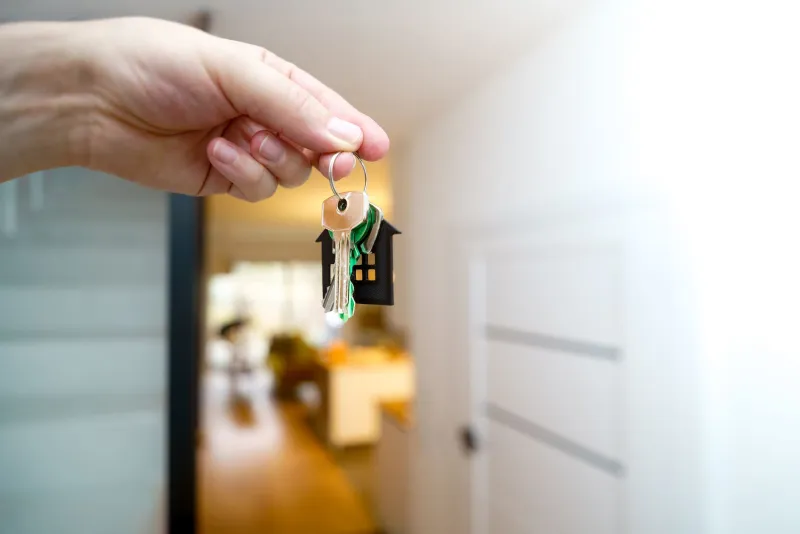
For most families in the NCR, the moment a child receives their first house key marks a quiet but meaningful shift. It signals trust, growing independence, and a new chapter in how the household operates. What it does not always signal—though it should—is a formal review of who holds access to your home, under what conditions, and what happens when that access is misplaced, shared, or forgotten.
The reality is that children, regardless of age or maturity, introduce variables into household key management that adults rarely account for. Backpacks get lost. Friends visit unexpectedly. Lockers at school are not impenetrable. A key given with good intentions can quietly become a security liability before anyone notices.
This guide is designed to help NCR parents approach that transition thoughtfully—balancing independence with accountability, and using the occasion as an opportunity to audit the entire household's access picture.
Why Children Change Your Home's Security Profile
When adults manage keys, there is generally a degree of habitual awareness around them. Most adults know where their keys are, recognize when they are missing, and understand the implications of losing them. Children, particularly younger ones, operate differently. A key is often just another object in a crowded backpack or a jacket pocket that ends up on a school gym floor.
Beyond the physical risks, children are more likely to share information about their keys—mentioning to classmates that they let themselves in after school, or showing off a new keychain without considering what it communicates. In densely populated areas like the DC Metro corridor, where residential neighborhoods sit close to commercial zones and foot traffic is high, these small disclosures carry more weight than they might in a rural setting.
A lost key in an NCR neighborhood is not an abstract problem. It is a potential entry point into your home, held by someone unknown, in a community you share with thousands of others.
Conducting a Household Key Audit Before the First Key Is Handed Over
Before issuing a key to a child, it is worth pausing to take stock of your current key distribution. Many families are surprised by what a simple audit reveals.
Start by listing every key currently in circulation for your home. This includes primary entry doors, back doors, garage access, and any secondary units or storage areas. Account for every copy—your own set, your partner's, any copies held by neighbors, relatives, housekeepers, or contractors who may have assisted with work in the past year.
Ask yourself honestly: Do I know where every one of these keys is right now? If the answer is uncertain for even one copy, that uncertainty becomes compounded when a child's key enters the equation.
For many NCR homeowners, a pre-issuance audit reveals two or three keys that have effectively gone untracked. A neighbor who received a spare during a renovation. A family member who helped during a medical situation. A previous contractor whose key was never collected. These are the gaps that a child's first key should prompt you to close—not ignore.
Age-Appropriate Key Management: What Works at Each Stage
There is no universal age at which a child is ready for a house key. Maturity, routine, and neighborhood context all factor into that decision. What follows are general frameworks that NCR parents have found practical across different developmental stages.
Elementary-age children (roughly 8–11): At this stage, a key is best treated as a backup measure rather than a daily habit. If a child occasionally needs to enter the home independently, consider a combination lockbox mounted near the entry rather than a physical key the child carries daily. This eliminates the risk of a lost key while still providing access in planned situations.
Middle school years (roughly 11–14): Children in this range are generally ready to carry a key, but benefit from clear protocols. Establish a specific place the key must be stored at home—never left in a backpack overnight, never lent to anyone, and reported missing within the same day it is noticed. A simple key hook inside the child's bedroom creates a visible accountability point.
High school years (14 and older): Teenagers can typically manage a key with adult-level responsibility, but that does not mean oversight disappears. Periodic check-ins about key habits, particularly after major schedule changes like new extracurricular activities or part-time jobs, keep the conversation active without being intrusive.
The Psychology of Key Responsibility: Making It Stick
One of the most effective things a parent can do is reframe the key conversation away from rules and toward meaning. A house key is not just a piece of metal—it represents the family's security, the safety of siblings, and the trust the household has placed in that child.
Research in child development consistently shows that children internalize responsibility more effectively when they understand the stakes rather than simply the consequences. Explaining that a lost key could require the entire family to change their locks, that it could cost several hundred dollars, and that it could leave the home vulnerable in the interim is more impactful than a generic warning about being careful.
For NCR families, grounding that conversation in local context adds weight. Discussing neighborhood security in real terms—without inducing anxiety—helps children understand that responsible key management is a contribution to the household's wellbeing, not just a rule to follow.
What to Do When a Key Goes Missing
Despite the best preparation, keys get lost. The question is not whether it will happen, but how quickly it is addressed.
Establish in advance that a missing key is reported immediately—not after a search, not the next morning, but as soon as it is noticed. This gives the household a window to assess the situation before it becomes a vulnerability.
If a key is lost in a public setting—a school, a park, or on public transit—treat it as a potential security event. Contact a licensed NCR locksmith to discuss rekeying the affected locks. The cost of a rekey is modest compared to the cost of a break-in or the ongoing anxiety of not knowing where a key ended up.
Many locksmiths in the DC Metro area offer same-day rekeying services that can restore your home's security within hours. This is not an overreaction—it is precisely the kind of proactive response that prevents small incidents from becoming serious ones.
Building a Key Policy That Grows With Your Family
The most resilient approach to household key management is a living policy—one that is revisited as children grow, as routines change, and as the household's security needs evolve. Schedule a brief key audit at least once a year, perhaps at the start of each school year when schedules and access patterns naturally shift.
Keep a simple written log of every key in circulation, who holds it, and when it was issued. This does not need to be elaborate—a single page in a household notebook is sufficient. What matters is that the information exists and can be reviewed when circumstances change.
For NCR parents, the goal is not to create anxiety around keys or to treat children as security risks. It is to model the kind of deliberate, informed approach to home security that children will carry into their own households one day. A house key, handled well, is one of the most practical lessons in responsibility a family can offer.