What Locksmiths See the Moment They Walk Through Your Door—And What It Means for Your Safety
Most people call a locksmith when something has already gone wrong—a broken key, a seized cylinder, a lockout at an inconvenient hour. But the professionals who respond to those calls are doing something most clients never notice: they are conducting an informal security assessment from the moment they arrive at the property. What they observe in those first few minutes often tells a more complete story about a home's or business's vulnerability than any formal audit ever would.
KeyMaker Inn CR spoke with several experienced locksmith professionals serving the NCR—covering Washington, D.C., Northern Virginia, and the Maryland suburbs—to understand what they routinely notice that property owners consistently overlook. The findings are instructive, and in some cases, quietly alarming.
The Lock Cylinder Tells a Story Before You Turn the Key
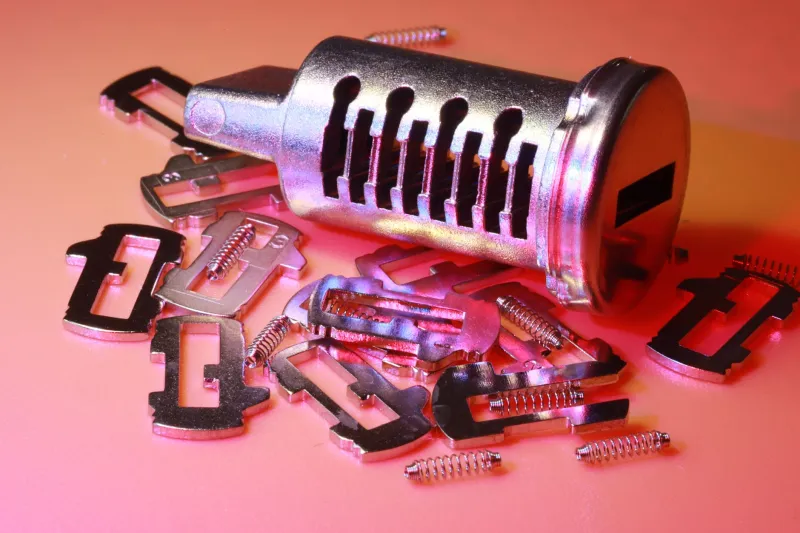
One of the first things a seasoned locksmith examines is the lock cylinder itself—specifically, the degree of visible wear around the keyway. A keyway that shows bright, shiny metal around its edges, or scoring marks along the face of the cylinder, suggests heavy and sometimes careless use over many years. While wear alone does not indicate a security breach, it does signal that the internal pin stacks and springs may have degraded to the point where the lock offers less resistance than its manufacturer intended.
"When I see a cylinder that's been in place for fifteen or twenty years and the finish is worn down to bare brass, that's a lock that's been through a lot," one Northern Virginia locksmith noted. "The tolerances inside have loosened. It may still turn, but it's not doing the job it was designed to do."
For NCR homeowners—particularly those in older neighborhoods in Alexandria, Silver Spring, or Capitol Hill—this is a common reality. Properties that have changed hands multiple times over the decades frequently retain their original hardware. The lock on the door may look functional from the outside while offering considerably less protection than a modern replacement.
Misaligned Doors: A Physical Vulnerability That Has Nothing to Do with the Lock
A lock is only as effective as the door frame it's mounted in. Locksmiths consistently flag door misalignment as one of the most underappreciated security weaknesses they encounter. When a door has settled, warped due to humidity changes, or been hung improperly during a renovation, the bolt or latch may not be seating fully into the strike plate.
The test is simple: if a door requires a firm shoulder press or a deliberate lift of the handle to engage the deadbolt smoothly, the door and frame are no longer properly aligned. In that condition, the bolt is likely only partially entering the strike plate recess—meaning the door can be forced open with far less effort than most homeowners would expect.
The DC Metro region's climate, with its humid summers and cold winters, accelerates wood movement in door frames. Homes in Bethesda, Fairfax, and similar suburban areas with older construction are particularly susceptible. A locksmith called for a routine service can often spot this misalignment immediately—but it rarely gets flagged to the homeowner unless they ask.
The Strike Plate Problem Nobody Talks About
If there is one single component that security professionals most frequently identify as inadequate, it is the strike plate. The standard strike plate included with most residential lock sets is a thin, stamped metal piece secured by short screws—often no longer than three-quarters of an inch—that anchor only into the door casing rather than the structural framing behind it.
"I can tell within seconds whether a strike plate is going to hold," said one Maryland-based locksmith with over two decades of experience. "If I see the original builder's hardware still in place, those screws are going into nothing. One good kick and that plate comes right out of the wall."
The fix is straightforward: a heavy-gauge reinforced strike plate secured with three-inch screws that reach the door's structural stud. This single upgrade, which costs relatively little and can be completed in under an hour, dramatically increases forced-entry resistance. Yet the majority of NCR homes visited by locksmiths still have the original, inadequate hardware in place.
Deadbolt Throw Length: The Detail That Separates Adequate from Secure
Not all deadbolts are created equal, and the throw length—the distance the bolt extends from the door edge into the frame—is a detail that experienced locksmiths assess immediately. The minimum recommended throw for a residential deadbolt is one inch. Locks with shorter throws, or those that have been installed in doors with oversized bore holes that allow the bolt to wobble, offer a reduced margin of security.
Locksmiths also note the frequency with which deadbolts are installed at the wrong height or too close to the door's edge, reducing the structural integrity of the door panel itself. In multi-family properties across the NCR—apartment buildings in Arlington, rowhouses in Petworth, or condo developments in Rockville—inconsistent installation quality across dozens of units creates a patchwork of security levels that property managers rarely have full visibility into.
What the Condition of the Keys Reveals
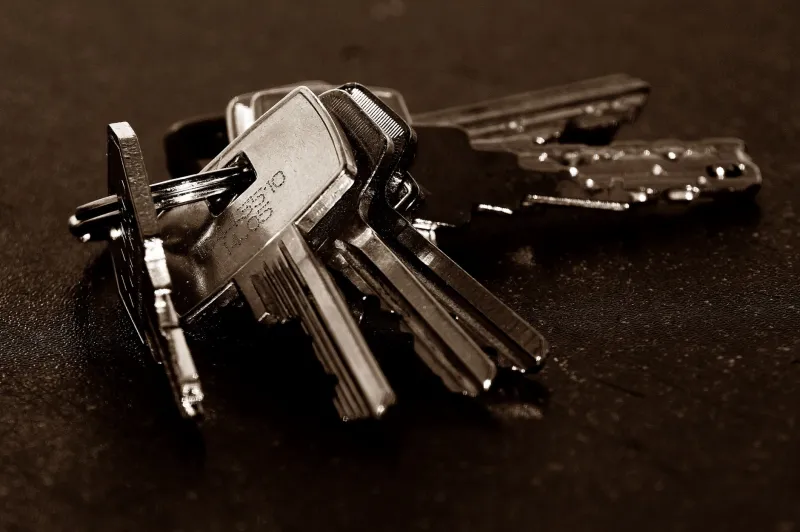
The keys a homeowner presents during a service call can themselves be informative. Heavily worn keys, or keys that have clearly been duplicated multiple times from a copy rather than from the original, may no longer cut to the precise tolerances the lock requires. This can accelerate internal wear on the cylinder and, in some cases, indicates that unauthorized copies may be in circulation—cut from a duplicate that has drifted from the original specification.
Professionals also take note when a homeowner presents a large, disorganized key ring with multiple unidentified keys. This is often a sign that access control has not been actively managed—a concern not just for residential properties, but for small businesses and commercial tenants throughout the NCR.
Translating Professional Observations Into Action
The gap between what locksmiths observe and what property owners understand is largely a communication problem. Service calls are often transactional—the technician addresses the immediate issue and moves on. The broader vulnerabilities they have mentally catalogued during the visit rarely make it into a formal recommendation.
For NCR homeowners and property managers, the practical takeaway is this: the next time a locksmith is on your property for any reason, ask them directly what they notice. Request an honest assessment of the hardware they encounter. Inquire about the strike plates, the deadbolt throw, the condition of the cylinders. Most professionals will give a candid answer when asked.
KeyMaker Inn CR exists, in part, to bridge exactly this kind of knowledge gap—connecting residents and property managers across Washington, D.C., Northern Virginia, and suburban Maryland with qualified local professionals who can translate technical observations into practical security improvements. The warning signs are almost always present. The question is simply whether anyone is looking for them.