Display Cases, Legal Gray Areas: Inside the NCR's Growing Antique Key Collecting Scene
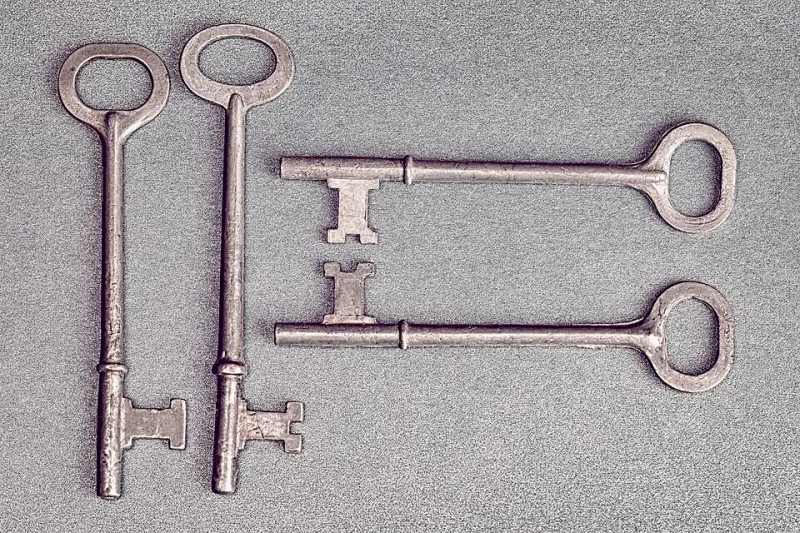
Photo: Cindy Shebley, CC BY 2.0, via Wikimedia Commons
At a weekend estate sale in Alexandria, a brass skeleton key stamped with a patent date from 1889 changes hands for $85. The buyer, a longtime collector from Silver Spring, considers it a bargain. The seller never asks a single question. Both walk away satisfied — and, in all likelihood, legally clear. But that outcome is not guaranteed for every transaction in this growing market.
Across the National Capital Region, antique key collecting has evolved from a niche pursuit into a visible hobby community. Flea markets in Bethesda, estate auctions in Arlington, and specialty shops near Eastern Market all trade in vintage lock and key artifacts. Yet the hobby sits in an unusual position: some of the objects collectors prize most are, in certain contexts, functional security bypass tools.
Why Skeleton Keys Still Raise Eyebrows
A skeleton key is not inherently dangerous. The vast majority of antique keys on the market today correspond to locks that no longer exist — warded lock designs that were phased out of residential and commercial use generations ago. A collector's Victorian-era bit key cannot open the deadbolt on a Capitol Hill rowhouse or the mailbox in a Tysons apartment building.
Problems emerge when vintage keys intersect with hardware that is still in service. Older warded locks remain on antique furniture, grandfathered commercial doors, historic church entrances, and certain municipal and institutional properties throughout the region. A functional skeleton key that fits a live lock — particularly one governing public access — moves a collector from hobbyist territory into potential legal exposure.
Maryland, Virginia, and the District each maintain statutes addressing possession of burglarious tools or instruments of entry. Enforcement against key collectors is rare, and intent matters enormously in these cases. Still, attorneys who advise property owners note that possession of a working key matched to a lock you have no authorization to access is a fact pattern no one wants to explain after an incident.
What Collectors Themselves Say
Members of the collecting community are often the first to police these boundaries. Experienced hobbyists generally follow an informal but consistent code: collect keys whose locks are gone, avoid keys stamped with institutional names for properties that still operate, and never attempt a vintage key on a live lock outside your own home.
Serious collectors also document provenance. A key with a documented history — a photograph of the original lock, an estate sale receipt, a letter of provenance — is both more valuable and easier to defend as a legitimate collectible. Anonymous bins of miscellaneous skeleton keys sold by weight carry more ambiguity and, frankly, less collector value.
The Locksmith Perspective
Working locksmiths in the NCR tend to view the hobby with cautious tolerance. Many are collectors themselves, drawn to the trade by exactly this kind of historical fascination. Their professional concern is narrower: customers who bring in an antique key and ask whether it can be made to work on a modern or still-active lock.
Reputable locksmiths decline requests to create functional duplicates of keys for locks the customer cannot demonstrate authority over. Collectors should expect that refusal and treat it as a signal they are dealing with a legitimate professional. Anyone who agrees without question to reproduce a key of unknown origin is a poor choice for security work of any kind.
A Practical Framework for Displaying Your Collection
For collectors and decorators across the region, a few habits keep the hobby on the safe side of the line:
- Prefer non-functional artifacts. Keys with broken bits, worn teeth, or corroded shanks are display pieces by nature and liability-free by consequence.
- Retire institutional keys. Keys marked with hotel names, school crests, or government-adjacent markings should be researched before purchase. If the institution still exists, its key does not belong in a private display case.
- Separate collection from daily use. Never hang antique keys near the door or on a keyring with modern keys. Beyond the legal question, it signals nothing useful to visitors and invites confusion.
- Document what you own. Photographs, receipts, and notes on origin build both value and a clear record of legitimate collecting intent.
When the Hobby Meets Your Home's Actual Security
There is a final wrinkle worth noting. Collectors sometimes assume their fascination with old hardware translates into insight about modern security, and occasionally it does — understanding how warded locks were defeated illuminates why pin tumbler designs took over. But antique expertise is no substitute for a current security assessment. A home full of beautiful displayed keys still needs functioning, modern deadbolts on every entry door.
The collecting community in the NCR is knowledgeable, careful, and largely self-regulating. The hobby itself is legal, historically rich, and genuinely enjoyable. The dilemma collectors face is not whether to collect, but how attentively to do it — because in this region, where historic properties and active institutions sit side by side, the difference between a display piece and a liability is often just one lock that never got retired.