The Illusion of the Hidden Key: Why Familiar Hiding Spots Are an Open Invitation for NCR Burglars
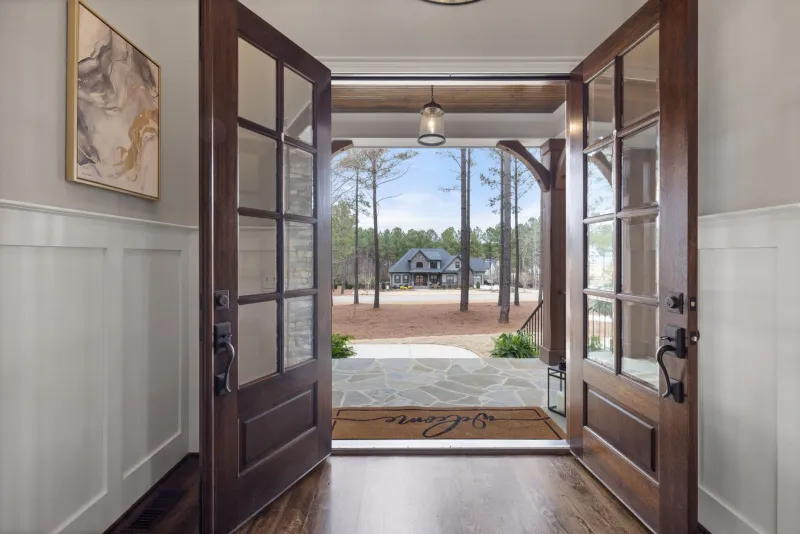
There is a particular comfort in knowing a spare key exists somewhere outside your home. It is the quiet reassurance that a forgotten key inside or a family member arriving early will not spiral into a crisis. Across the NCR—from the rowhouses of Capitol Hill to the suburban cul-de-sacs of Fairfax County—this logic has led countless homeowners to tuck spare keys beneath flowerpots, above door frames, inside fake decorative rocks, or under welcome mats.
The problem is not the instinct. The problem is the execution. And according to behavioral security researchers, that execution is failing homeowners in ways that are both measurable and deeply predictable.
The Psychology of the "Secret" That Isn't
Human beings are pattern-forming creatures. When faced with a practical problem—like needing emergency access to a home—most people gravitate toward the same small pool of solutions. This cognitive tendency, sometimes referred to as "default bias" in behavioral economics, means that the hiding spot you believe is clever is almost certainly the same one your neighbor chose, and the neighbor before them.
Researchers studying residential burglary behavior have documented this phenomenon extensively. A 2018 study published in Security Journal found that experienced burglars could identify and check the five most common key-hiding locations in under ninety seconds. The study's subjects, many of them interviewed in correctional facilities, described the process as routine—not investigative.
"There's nothing secret about the fake rock," one locksmith with over two decades of experience serving the DC Metro area told KeyMaker Inn CR. "We see them in hardware stores. Burglars see them in hardware stores. The moment someone places one near a front door, it stops being a hiding spot and starts being a label."
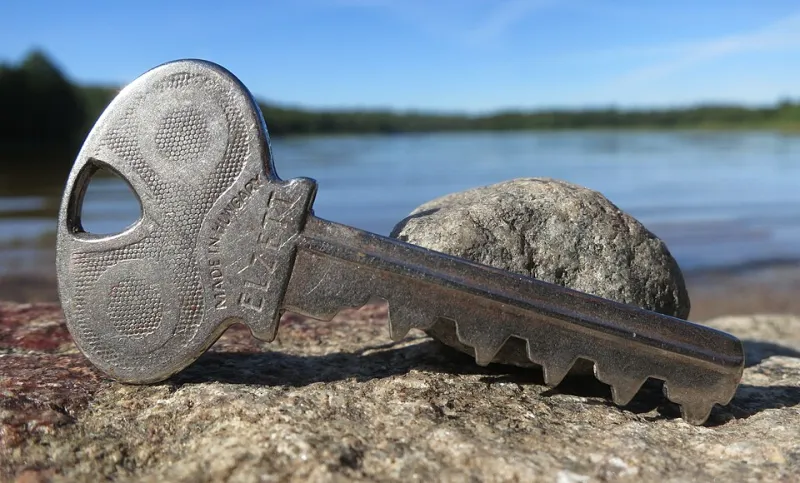
This is the core paradox of the hidden spare key: the act of concealment, when performed predictably, functions as advertisement rather than protection.
What NCR Burglars Already Know About Your Home
The NCR presents a specific security context worth examining. The region is home to a wide range of residential environments—densely packed urban neighborhoods, historic properties with limited exterior modification options, master-planned suburban communities, and everything in between. Each setting carries its own version of the spare-key problem.
In urban environments like Georgetown or Adams Morgan, the close proximity of homes means that a neighbor, a passerby, or someone casing the block can observe daily routines with relative ease. When a spare key is retrieved and replaced consistently—say, when a housekeeper arrives every Tuesday—that pattern becomes readable over time.
In suburban settings, the problem shifts slightly. Larger yards and greater privacy might seem to offer more creative hiding options. However, security professionals note that the increased number of potential hiding spots is offset by the fact that burglars in lower-density neighborhoods often have more time and less risk of being observed while searching.
Regardless of geography, the underlying vulnerability is identical: a physical key left unattended outside a home is a transferred risk. Every security measure inside—deadbolts, alarm systems, reinforced strike plates—is rendered negotiable the moment someone gains access through a discovered spare.
The False Comfort of Obscurity
Many homeowners operate under a version of security-through-obscurity: the belief that their specific hiding spot is unique enough to escape notice. This reasoning has surface-level appeal but fails under scrutiny.
Consider the math. A professional locksmith or security consultant conducting a residential walkthrough will typically identify between eight and twelve conventional hiding spots within two minutes of arriving at a property. These include not only the most obvious locations—under doormats, beneath potted plants—but also slightly less intuitive spots such as inside electrical meter boxes, under decorative porch furniture, or affixed magnetically to metal fixtures.
The issue is not that homeowners lack imagination. It is that the physical constraints of a residential exterior—combined with the requirement that the key be retrievable quickly and without tools—narrow the realistic options considerably. Obscurity, in this context, is not a security strategy. It is a delay measured in seconds.
"I've done security consultations for homeowners who were genuinely proud of where they'd hidden their spare," said one NCR-based residential security consultant. "In almost every case, it was the second or third place I would have looked. People underestimate how systematic a motivated person can be."
What Behavioral Research Recommends Instead
The solution is not to abandon the concept of emergency access. It is to decouple that access from a physically hidden key. Several alternatives have demonstrated significantly stronger security profiles in both academic research and field application.
Keypad and Smart Lock Entry A programmable keypad or smart lock eliminates the need for a physical spare entirely. Access codes can be issued temporarily, revoked remotely, and logged for review. For NCR homeowners who frequently host guests, service providers, or family members, this flexibility is both practical and security-enhancing. Our previously published guide on smart locks for DC Metro homes offers a detailed breakdown of current options worth reviewing before making a purchase.
Trusted Neighbor Key Exchange Rather than hiding a key on the property, leaving a duplicate with a vetted neighbor or trusted contact removes the key from the exterior environment entirely. This approach has been endorsed by residential security researchers as meaningfully more secure than any concealed outdoor placement, provided the recipient is genuinely known and trusted.
Lockbox with Non-Obvious Placement A high-quality combination lockbox—not the lightweight models sold at general merchandise retailers—mounted in a non-prominent location offers a more defensible option than a hidden key. The critical factors are the quality of the lockbox itself (look for hardened steel construction and anti-drill protection) and placement away from the primary entry point. A lockbox mounted visibly beside the front door is only marginally better than a fake rock; one mounted on a rear fence post or garage structure is considerably more resistant to casual discovery.
Rekeying After Any Access Disruption For homeowners who have previously used a hidden spare key—or who are uncertain whether a copy has been made without their knowledge—rekeying the affected locks is the most reliable reset. NCR locksmiths can typically complete a residential rekey in under an hour, and the cost is a fraction of what a compromised entry might ultimately represent.
Rethinking the Spare Key as a Security Decision
The spare key habit is deeply ingrained in American residential culture. It is passed down through families, reinforced by convenience, and rarely examined critically until something goes wrong. But the behavioral evidence is clear: a hidden spare key, placed according to instinct rather than security analysis, does not supplement your home's defenses. In many cases, it actively undermines them.
For NCR homeowners, the stakes of this miscalculation are not abstract. The region's combination of high property values, dense population, and proximity to major transit corridors creates conditions where residential security deserves genuine, informed attention.
The first step is acknowledging that the hiding spot you trust may be the one a stranger finds first. The second is replacing that habit with a strategy that behavioral research and locksmith expertise have consistently validated.
KeyMaker Inn CR is committed to connecting NCR residents with the qualified local professionals and reliable information needed to make those decisions with confidence. Whether you are rekeying a lock, evaluating smart access options, or simply reassessing a long-standing security habit, the right guidance is available—and it starts with asking the right questions.