Ghost Keys: How Untracked Master Key Copies Are Quietly Undermining Security Across NCR Rental Properties

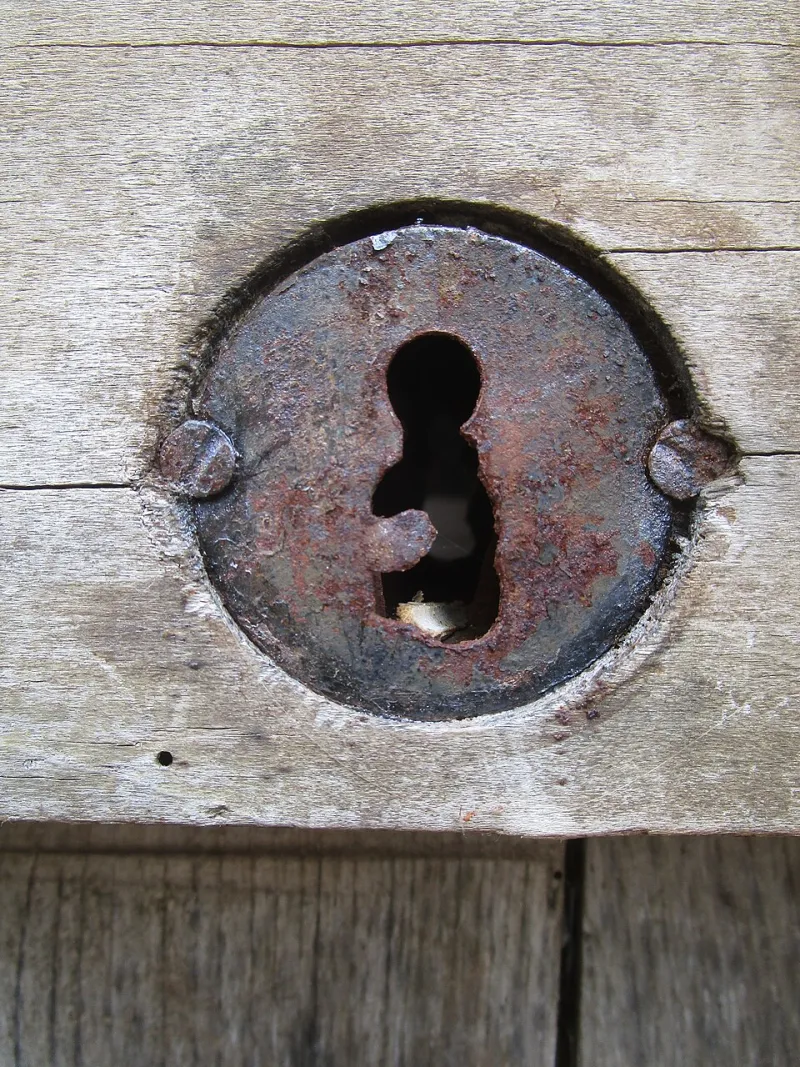
Photo: Ministry of Railways, GODL-India, via Wikimedia Commons
Somewhere in the DC metro area right now, there is a key that should not exist. It was cut two years ago—maybe for a maintenance contractor, a short-term subtenant, or a property manager who has since left the company. It was never returned. Nobody logged it. And it still opens a door.
This is the ghost key problem, and it is far more common across NCR rental properties than most landlords or tenants realize. In a region defined by rapid residential turnover, a booming short-term rental sector, and an inventory of pre-war buildings whose lock infrastructure has been modified dozens of times over the decades, unauthorized key duplication has become a structural security vulnerability—one that no smart lock app or video doorbell can fully compensate for.
Why the NCR Is Particularly Exposed
The National Capital Region presents a specific combination of conditions that makes this problem acute. Consider the density of historic row houses in neighborhoods like Capitol Hill, Petworth, and Old Town Alexandria—properties that were originally designed as single-family residences and have since been subdivided into two, three, or four units. These buildings often share a single master key system that was installed decades ago, updated piecemeal, and never formally audited.
Layer onto that the region's transient population. A significant portion of NCR renters are federal employees, contractors, graduate students, and diplomatic staff—residents who move frequently and may not prioritize returning every key copy they've accumulated. Property managers, particularly those overseeing large portfolios across multiple jurisdictions, often lack the administrative infrastructure to track key issuance with precision.
The result is a chain-of-custody problem that compounds with every lease cycle. By the time a property has turned over four or five tenants, the number of outstanding, unaccounted-for key copies can be substantial.
What a Key Audit Actually Involves
The term "key audit" is used loosely in the property management industry, and that imprecision is part of the problem. A genuine key audit is not simply changing the locks when a tenant moves out—though that is a necessary component. It is a systematic accounting of every key that exists for a given property or master key system.
A thorough audit should address several questions. First: how many keys were originally cut for this system, and to whom were they issued? Second: how many have been returned and verified? Third: does the current lock hardware support key control—meaning, can copies be made only by authorized dealers with documented permission? Fourth: are there outstanding copies in the hands of former contractors, cleaning services, or management staff who no longer work with the property?
For multi-unit properties operating under a master key system, the audit must also assess the system's hierarchy. A master key that opens every unit in a building represents a dramatically higher risk than an individual unit key. If the chain of custody for that master key is unclear, the entire building's security posture is compromised regardless of what individual tenants do on their own.
Restricted Keyways and the Case for Key Control Systems
One of the most practical recommendations that licensed locksmiths in the NCR consistently make to property managers is the transition to a restricted keyway system. Unlike standard key blanks—which are available at hardware stores and can be copied at virtually any kiosk—restricted keyways are proprietary. Duplication requires authorization from the registered key holder, typically documented and processed through a licensed locksmith.
This does not make unauthorized duplication impossible, but it raises the barrier meaningfully. It also creates a paper trail. When a property manager can demonstrate that key copies are documented and traceable, they are in a considerably stronger legal and practical position if a security incident occurs.
For NCR landlords navigating the requirements of DC's Tenant Bill of Rights or Maryland's landlord-tenant statutes, that documentation can carry additional significance. Demonstrating reasonable security practices is increasingly relevant in disputes involving unauthorized access or property liability.
The Shared Office Space Dimension
The ghost key problem is not confined to residential properties. The NCR's commercial real estate sector—particularly the proliferation of co-working spaces, shared suites, and flex office arrangements in neighborhoods like NoMa, Rosslyn, and Bethesda's central business district—faces an analogous challenge. Member turnover in shared office environments can be extremely high, and the issuance of physical keys or key fobs is often managed with less rigor than digital access credentials.
A former member who retains a physical key to a shared office building has access not just to their former workspace but potentially to mail rooms, server closets, and other tenants' spaces. The security implications extend well beyond the individual lease.
Practical Steps for Property Managers and Tenants
For property managers, the starting point is establishing a formal key issuance log—a simple, consistent record of every key cut, every recipient, and every return. This costs nothing and immediately improves accountability. The next step is working with a licensed locksmith to assess whether the current hardware supports key control, and if not, evaluating the cost of transitioning to a restricted system.
For tenants, the relevant action is simpler: understand what you signed. Many NCR lease agreements include provisions about unauthorized key duplication and key return upon move-out. Knowing those terms protects you from liability and gives you standing to request that a landlord demonstrate their key management practices before you move in.
The ghost key is a quiet problem. It doesn't trigger alarms, doesn't show up on security camera footage, and doesn't announce itself until something goes wrong. In a rental market as active as the NCR's, addressing it proactively is not an abundance of caution—it is basic due diligence.