Locked Out in the NCR: What to Do Whether You're Stuck in Georgetown Traffic or Outside Your Front Door
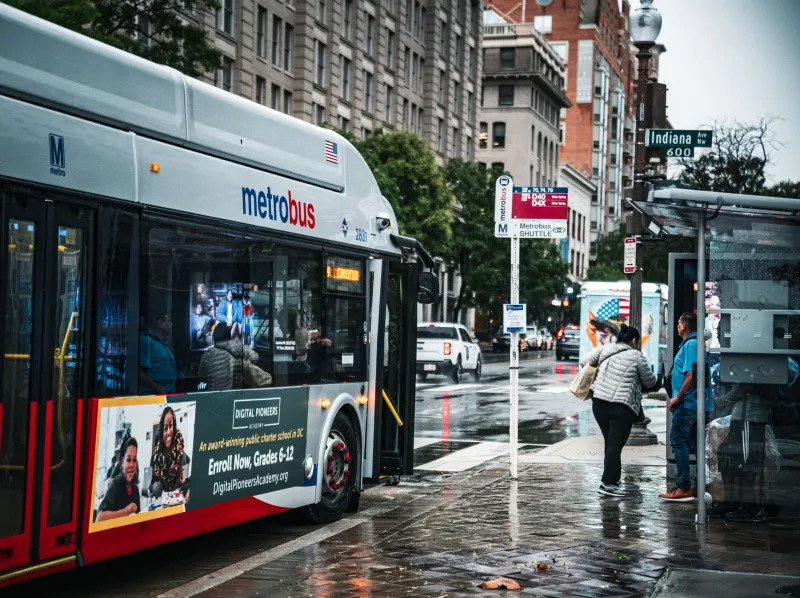
The National Capital Region does not slow down for anyone—not for rush-hour gridlock on I-495, not for a thunderstorm rolling in off the Potomac, and certainly not for a lockout. Yet every day, residents across DC, Northern Virginia, and suburban Maryland find themselves staring at a locked door or a sealed car with no clear path forward.
Lockouts are not created equal. The steps you take—and the risks you face—differ significantly depending on whether you are stranded in a parking garage in Bethesda, locked out of your apartment in Columbia Heights, or standing outside your office suite in Tysons Corner at 7 a.m. Understanding those differences can save you time, money, and unnecessary stress.
The Vehicle Lockout: High Stakes on High-Traffic Roads
Few situations feel more exposed than realizing your keys are inside a running car on the shoulder of Route 1 or, worse, in a no-parking zone near Dupont Circle. Vehicle lockouts in the NCR carry a layer of urgency that residential lockouts sometimes do not.
What to do immediately:
- Move to safety first. If your vehicle is in a traffic lane or on a busy arterial road, step away from the car and onto the sidewalk or shoulder. Do not attempt to break a window while standing near moving traffic.
- Check your roadside assistance coverage. AAA, many auto insurance policies, and some credit card benefits include lockout service. Response times in dense urban areas like downtown DC can run 30 to 60 minutes during peak hours, so place that call as soon as possible.
- Contact a local mobile locksmith. A licensed locksmith familiar with the NCR can often reach you faster than a national dispatch service, particularly in neighborhoods where parking and access are complicated. Many professional locksmiths carry specialized tools to open modern vehicles without causing damage to the door frame or weather stripping.
What to avoid: Slim-jim tools and wedge kits sold at auto parts stores may seem tempting, but modern vehicles equipped with side-impact airbags or complex locking mechanisms can sustain internal damage from amateur attempts. The cost of that repair will almost certainly exceed a professional service call.
The Residential Lockout: Frustrating, But Usually Manageable
Being locked out of your home—whether a Capitol Hill rowhouse, a Rockville townhome, or a Silver Spring apartment—tends to be less immediately dangerous than a vehicle lockout, but it presents its own set of complications.
Scenario 1: You rent your unit. Most apartment complexes and property management companies maintain a master key or emergency access protocol. Your first call should be to your building manager or the after-hours maintenance line. Many large complexes in the NCR operate 24-hour front desk services. This route is typically free and avoids any lease complications that might arise from an unauthorized third party accessing your unit.
Scenario 2: You own your home. Homeowners have more flexibility but fewer built-in safety nets. Before calling a locksmith, check every point of entry—back doors, ground-floor windows you may have left unlatched, an attached garage. If a spare key is with a trusted neighbor or a nearby family member, that remains the fastest and cheapest solution.
Scenario 3: It is after midnight. Late-night lockouts happen more often than people expect, particularly on weekends. Licensed 24-hour locksmiths operate throughout the NCR, but after-hours calls typically carry a premium. Verify that any locksmith you contact is licensed in the relevant jurisdiction—DC, Maryland, and Virginia each have distinct licensing requirements—before granting access to your home.
The Office or Commercial Lockout: When Time Is Money
A lockout at a commercial property introduces professional and financial consequences that residential situations do not. An employee locked out of a small business before opening, or a property manager who cannot access a suite for a scheduled inspection, faces real operational pressure.
In these cases, speed and documentation matter. Request that the responding locksmith provide a written invoice and, where applicable, verify your identity and authorization to access the space before work begins. Reputable commercial locksmiths in the NCR understand these protocols and will not bypass them—nor should you want them to.
Prevention: The Smartest Investment You Can Make
The most effective lockout response is the one you never have to make. A few straightforward measures can dramatically reduce your exposure:
- Spare keys with a trusted contact. A neighbor, family member, or close friend within a reasonable distance is your best first line of defense.
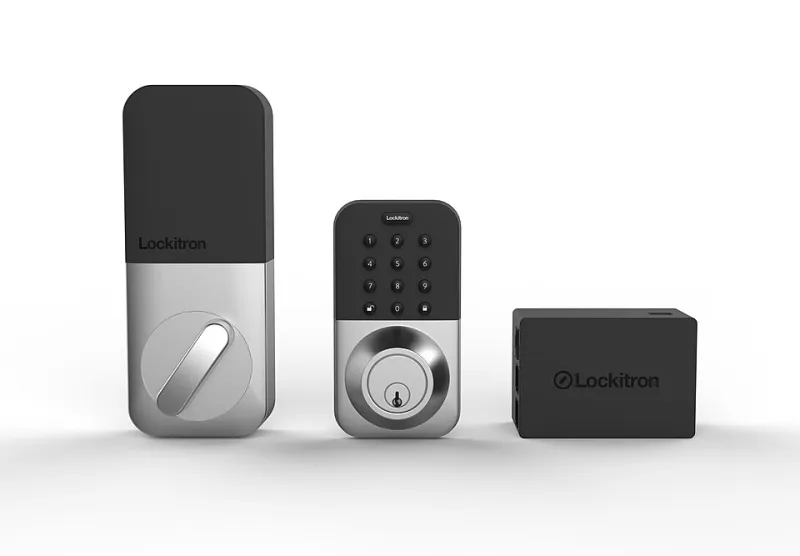
- Smart lock installation. Keypad and app-controlled locks eliminate the lost-key scenario entirely for residential and small commercial properties. Several models are well-suited to the NCR's mix of older construction and modern buildings.
- Key duplication as routine maintenance. Worn keys are more likely to break or fail. Having a professional duplicate made before problems arise costs far less than an emergency call.
- Locksmith contact saved in advance. Searching for a reputable local locksmith during a stressful lockout is not the ideal moment for research. Identify and save the contact information for a licensed NCR-area locksmith before you ever need one.
When DIY Ends and Professional Help Begins
The line between a sensible self-help measure and a costly mistake is thinner than most people realize. Attempting to pick a lock without training can permanently damage the cylinder. Forcing a car door can trigger airbag sensors. Breaking a window to re-enter your home creates both a security gap and a repair expense.
As a general rule: if the lockout involves a vehicle with modern electronics, a high-security deadbolt, a commercial-grade lock, or any situation where you feel physically unsafe, contact a licensed professional. The NCR has a robust community of qualified locksmiths who can resolve most lockout situations quickly and without lasting damage to your property.
A lockout is never welcome, but with the right preparation and a clear understanding of your options, it does not have to become a crisis.