Keys, Rights, and Responsibilities: Navigating Lock Laws for NCR Renters and Landlords
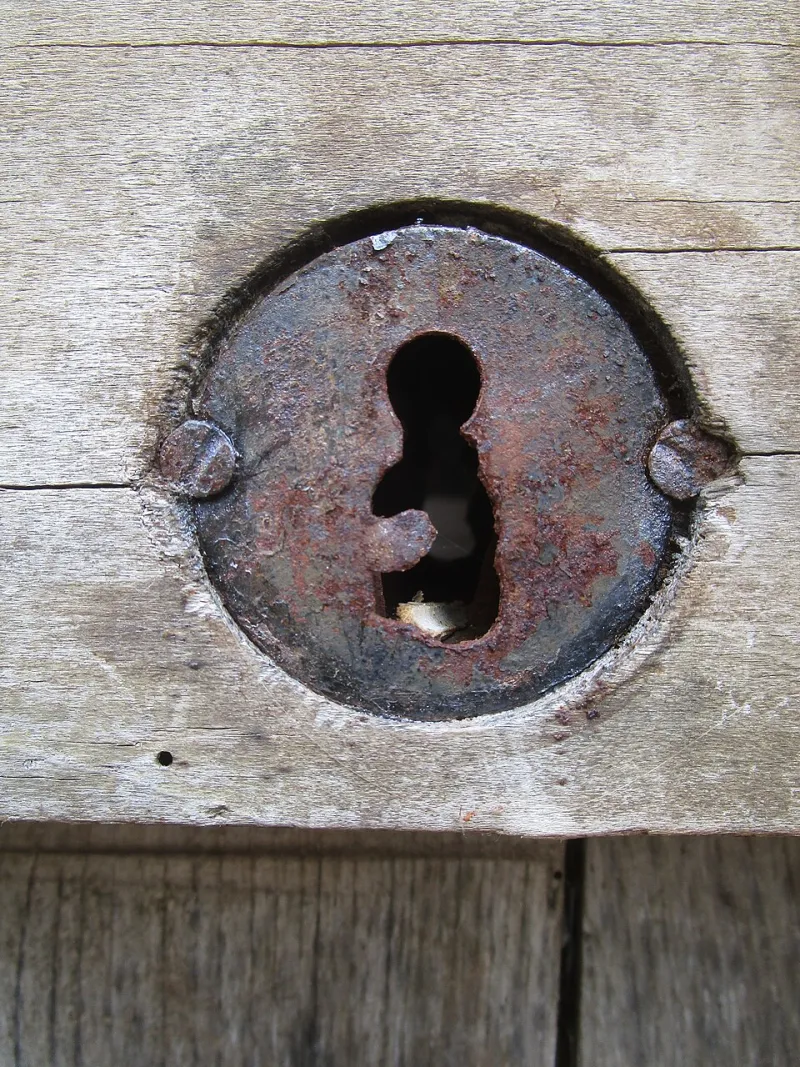
Photo: Catboy69, CC0, via Wikimedia Commons
The relationship between a landlord and a tenant is built on access—access to a safe dwelling, access to a functioning property, and access controlled, quite literally, by a key. Yet the question of who holds that key, who may copy it, and who bears the cost of changing the locks sits in a legal gray area that few people on either side of a lease agreement fully understand.
Across the National Capital Region, the rules are not uniform. Washington, DC, Maryland, and Virginia each maintain distinct statutory frameworks governing residential locks and keys. For renters and property owners alike, ignorance of those distinctions can lead to lease disputes, security vulnerabilities, and unnecessary legal exposure.
Washington, DC: Tenant Protections With Specific Obligations
The District of Columbia maintains some of the most tenant-protective housing regulations in the country, and lock-related provisions are no exception.
Under DC law, landlords are generally required to provide functioning locks on all exterior doors and windows at the start of a tenancy. More significantly, DC regulations give tenants the right to request a lock change when they have reason to believe their security is compromised—such as after a break-in or following the end of a prior tenancy. Landlords must respond to such requests within a reasonable timeframe.
Key deposits in DC occupy a contested space. While landlords may charge for key replacement if a tenant loses a key, those charges must be reasonable and documented. Excessive fees tied to key deposits may be challenged before the DC Office of the Tenant Advocate or through the Rental Accommodations Division.
One frequently misunderstood point: tenants in DC generally may not change locks unilaterally without landlord consent, even if they pay for the work themselves. Doing so without authorization can constitute a lease violation. The appropriate path is a written request to the landlord, followed by escalation to the relevant housing authority if the landlord fails to act.
Maryland: A Patchwork of Local and State Rules
Maryland's rental landscape is complicated by the fact that housing regulations vary considerably between jurisdictions. Montgomery County, Prince George's County, and the city of Rockville each layer local ordinances on top of state statutes, creating a patchwork that demands careful attention.
At the state level, Maryland law requires landlords to provide working locks on exterior doors. However, the specifics around rekeying between tenancies are less explicit than in DC. Responsible landlords in Maryland typically rekey units between occupants as a standard practice—and many property managers in Montgomery and Prince George's counties do so routinely—but the statutory mandate is not always as direct as tenants might expect.
For tenants who have experienced domestic violence or a stalking situation, Maryland law provides explicit protections. Victims may request an emergency lock change, and landlords are required to comply within a defined window. Documentation is required, but the protection is meaningful and enforceable.
Key deposit practices in Maryland vary by county. Some jurisdictions cap refundable key deposits; others do not regulate them explicitly. Tenants who are charged for key replacement upon move-out should request an itemized accounting and compare it against any move-in documentation.
Virginia: Landlord Authority With Tenant Recourse
Virginia's landlord-tenant framework, governed primarily by the Virginia Residential Landlord and Tenant Act (VRLTA), takes a somewhat different approach. The VRLTA applies in most of Northern Virginia, including Fairfax County, Arlington, and Alexandria, though some rural jurisdictions operate under a separate common-law framework.
Under the VRLTA, landlords are obligated to maintain locks and security devices in good working order. Tenants may request repairs or replacements in writing, and landlords must respond within a reasonable period. If a landlord fails to act after proper notice, tenants have limited remedies including rent escrow under specific conditions.
Virginia law also addresses the scenario of a tenant who changes locks without authorization: this is generally treated as a lease violation and can be grounds for eviction proceedings. Conversely, a landlord who changes locks on an occupied unit without legal justification—commonly known as a lockout—is engaging in an illegal self-help eviction, which carries significant legal liability.
For Alexandria and Arlington renters in particular, local housing offices provide guidance and mediation resources that can resolve lock-related disputes without litigation.
The Rekeying Question: Who Pays, and When?
Perhaps the most common flashpoint between NCR landlords and tenants is the question of rekeying at turnover. Industry best practice—and the recommendation of most housing attorneys—is that landlords rekey every unit before a new tenant takes possession. This protects both parties: the incoming tenant is assured that no prior occupant retains access, and the landlord is shielded from liability if a prior tenant's key is used to gain unauthorized entry.
Despite this, rekeying is not universally required by statute in every NCR jurisdiction. Tenants who are moving into a new unit should:
- Ask the landlord directly whether the unit has been rekeyed since the last occupancy.
- Request written confirmation that new keys have been issued.
- If the landlord declines or cannot confirm, consult local tenant advocacy resources or arrange for a licensed locksmith evaluation.
Landlords who proactively rekey between tenancies and document that process reduce their exposure to security-related liability claims considerably.
Security Upgrades: Who Decides, and Who Pays?
Tenants who wish to upgrade their unit's security—installing a deadbolt, adding a door chain, or replacing an aging lock cylinder—face a consistent legal constraint across all three NCR jurisdictions: landlord approval is generally required before any modification to a lock or door hardware.
This does not mean upgrades are impossible. Many landlords will consent to reasonable security improvements, particularly if the tenant agrees to restore the original hardware at move-out or to provide the landlord with a duplicate key. A written amendment to the lease documenting the agreed-upon upgrade is strongly advisable for both parties.
For landlords, responding constructively to tenant security requests is both a legal and reputational asset. A property that demonstrably prioritizes tenant safety is more attractive to prospective renters and less likely to generate housing code complaints.
Practical Steps for Both Sides
For tenants:
- Document the condition of all locks at move-in with photographs and written notes.
- Submit any lock-related requests to your landlord in writing and retain copies.
- Familiarize yourself with the tenant advocacy office in your specific jurisdiction.
For landlords:
- Establish a standard rekeying protocol between every tenancy and document it in your records.
- Respond promptly to written lock and security requests—delays create legal exposure.
- Work with a licensed locksmith who understands NCR-specific requirements for both residential and commercial properties.
The key—in every sense—to avoiding lock-related disputes is clear communication, proper documentation, and an understanding of the specific rules that govern your jurisdiction. The NCR's regulatory landscape is complex, but it is navigable for those willing to engage with it seriously.