Before You Dial at 2 AM: Separating Locksmith Facts from Fiction in the NCR
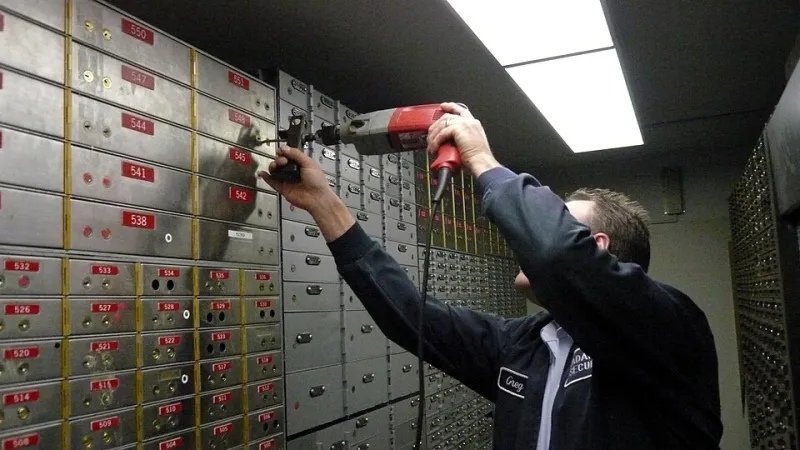
Photo: Cory Doctorow, CC BY-SA 2.0, via Wikimedia Commons
The call comes at an inconvenient hour—it always does. You're standing on the front stoop of your Silver Spring home, keys somewhere inside, and the only resource you have is your phone and a rising sense of panic. In that moment, misinformation becomes expensive. Myths about emergency locksmith services are surprisingly widespread in the National Capital Region, and they routinely lead residents to make poor decisions precisely when clear thinking matters most.
KeyMaker Inn CR spoke with several licensed locksmiths operating across the NCR—from Northern Virginia to Prince George's County—and reviewed documented service calls to identify the beliefs that most consistently hurt consumers. What follows is a straightforward account of what's real, what's inflated, and what you genuinely need to watch for.
Myth #1: All Emergency Locksmiths Charge the Same Base Rate
This is perhaps the most costly assumption a locked-out resident can make. Pricing in the NCR varies considerably depending on the time of call, the neighborhood, the type of lock involved, and the individual business. A standard after-hours service call in the District can range from $75 to well over $200 before any labor is applied—and that spread is entirely legitimate.
What is not legitimate is the bait-and-switch pricing that some unlicensed operators use. These services advertise an unrealistically low dispatch fee online—sometimes as little as $15 or $19—then present a dramatically inflated invoice once the work is done. The Federal Trade Commission has documented this practice nationally, and the NCR is not immune to it.
The practical takeaway: always ask for a written or verbally confirmed total estimate before any technician begins work. Reputable locksmiths will provide one without hesitation.
Myth #2: Response Times Are Guaranteed to Be Fast
Many emergency locksmith advertisements in the DC metro area promise arrival within 15 to 30 minutes. In practice, response times depend heavily on traffic conditions—a variable that any NCR resident understands intimately. A locksmith located in Fairfax County may advertise metro-wide coverage but realistically cannot reach a Capitol Hill address in 20 minutes during evening hours.
This doesn't mean fast service is impossible. Several locally rooted businesses do maintain technicians in strategic positions across the region. However, consumers should treat any specific arrival guarantee with healthy skepticism and ask for clarification: Is that estimate based on current technician location? Does it account for highway conditions?
When you're locked out, a realistic 45-minute window from a trustworthy local operator is far preferable to a promised 20-minute window that stretches to 90.
Myth #3: Drilling Is Almost Always Required
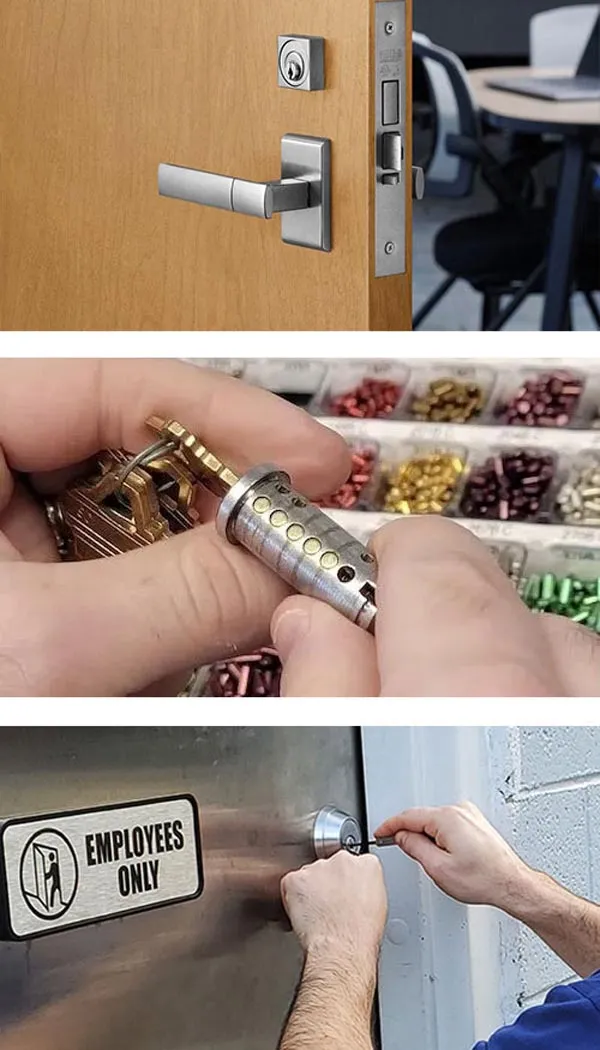
A surprising number of NCR residents believe that emergency lockout service necessarily involves damaging their lock. This is almost never true for standard residential locks. A trained, licensed locksmith can open the vast majority of deadbolts and knob locks through non-destructive techniques—lock picking, bypass methods, or decoding—without touching the hardware in a way that requires replacement.
Drilling is a last resort, typically reserved for high-security locks with anti-pick features or situations where a lock has been mechanically compromised. If a technician immediately recommends drilling a standard residential lock without attempting non-destructive entry, that is a significant red flag.
This matters financially as well as practically. If drilling is unnecessary but performed anyway, you'll be charged for both the service call and a lock replacement that you didn't need.
Myth #4: Licensing Doesn't Matter in an Emergency
When you're exhausted and locked out at an unconventional hour, it's tempting to call whoever answers first. But licensing status is not a bureaucratic formality—it's a meaningful indicator of training, accountability, and consumer protection.
Virginia, Maryland, and the District of Columbia each maintain their own licensing requirements for locksmiths, and those requirements differ. In Maryland, locksmiths are required to be licensed under the Maryland Security Systems Technicians Act. Virginia operates under a contractor licensing framework. DC has its own registration structure. An unlicensed operator working across these jurisdictions has no formal accountability to any regulatory body.
Before adding any locksmith to your phone contacts—ideally before you ever need one—verify their licensing status through the relevant state or district authority. KeyMaker Inn CR's directory lists verified, licensed businesses across the NCR specifically to remove that burden during a stressful moment.
Myth #5: Online Reviews Are a Reliable Indicator of Quality
Review manipulation is a documented problem in the emergency services industry, and locksmith listings are particularly susceptible. Some operations that specialize in bait-and-switch pricing have accumulated substantial review counts through incentivized or fabricated feedback.
This doesn't mean reviews are useless—it means they require context. Look for reviews that mention specific details: the technician's name, the neighborhood, the type of lock involved. Generic, effusive five-star reviews with no specifics are worth less than a smaller number of detailed, credible accounts.
Cross-referencing a business against the Better Business Bureau, the relevant state licensing board, and a trusted local directory like KeyMaker Inn CR provides a more complete picture than any single platform.
What Good Emergency Service Actually Looks Like
To put all of this in practical terms: a reputable emergency locksmith in the NCR will answer the phone professionally, provide a clear estimate before dispatch, confirm their licensing jurisdiction, give you an honest arrival window, and attempt non-destructive entry as the first approach. They will invoice you for exactly what was discussed.
That's not a high bar—but it's one that separates legitimate operators from the opportunistic ones who prey on residents at their most vulnerable moments.
The best time to identify a trustworthy local locksmith is before you need one. Save a vetted contact in your phone tonight. The version of you standing outside at 2 AM will be grateful you did.