Rekey or Replace? A Commercial Lock Decision Framework for NCR Business Owners
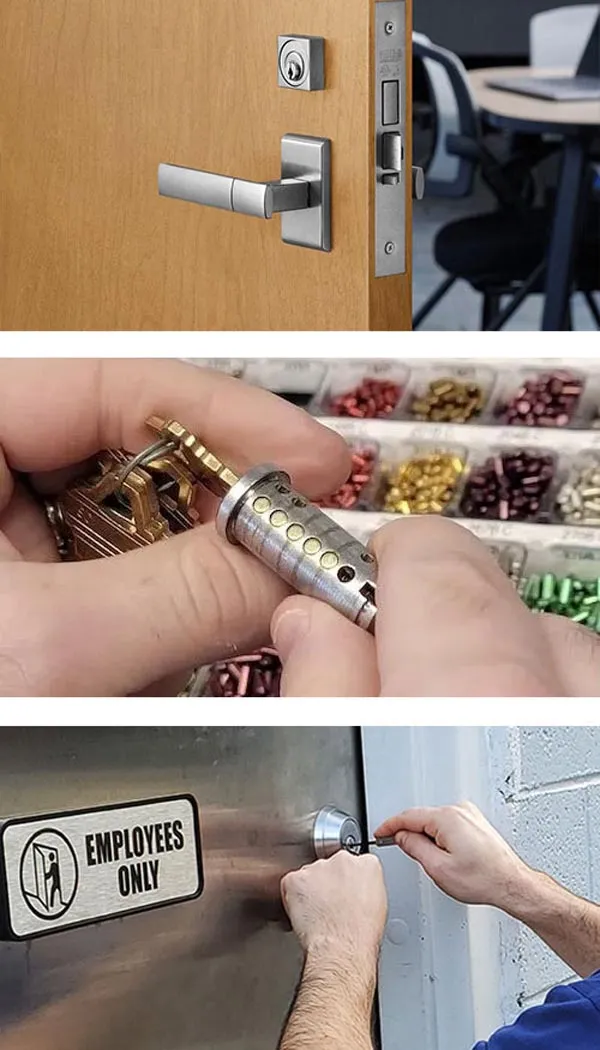
Photo: commercial locksmith rekeying office door lock small business, via warrenslocks.com
Running a small business in the National Capital Region comes with a particular set of security pressures. Whether your storefront sits along a busy corridor in Arlington, your office occupies a suite in Bethesda, or you operate a service-based business out of a light-industrial space in Prince George's County, your locks are among the most consequential investments you make. Yet when circumstances force a security review—a departing employee, a lease changeover, or hardware that has simply seen better days—many business owners default to either the cheapest option or the most dramatic one, without a clear framework for choosing between the two.
This guide is designed to change that.
Understanding the Fundamental Difference
Before weighing costs and timelines, it helps to be precise about what each option actually involves.
Rekeying means a licensed locksmith reconfigures the internal pin tumbler mechanism of your existing lock cylinder so that the old keys no longer function and a new set of keys operates the lock. The hardware itself—the deadbolt body, the strike plate, the latch assembly—remains in place. The lock is not replaced; it is reprogrammed, in a sense, through mechanical means.
Lock replacement means the entire lock unit is removed and a new one is installed. This may involve a simple swap of the same model or a wholesale upgrade to a different grade, mechanism type, or access technology.
Both services are widely available from commercial locksmiths operating throughout the DC Metro area, but the circumstances that make each appropriate are quite different.
When Rekeying Is the Right Call
Rekeying is almost always the more cost-effective choice when the underlying hardware is sound. A commercial-grade deadbolt from a reputable manufacturer—properly installed and free of visible wear—can typically be rekeyed for a fraction of what a full replacement would cost. For NCR business owners managing tight operating budgets, that price difference matters.
The most common trigger for rekeying is employee departure. Whether the separation was amicable or contentious, any former staff member who held a physical key represents an uncontrolled access point. Best practice calls for rekeying within 24 to 48 hours of the departure, particularly for employees who had after-hours access or who left under difficult circumstances. A local commercial locksmith can typically complete a rekeying service during a standard business day, minimizing operational disruption.
Rekeying is also the appropriate response when keys are lost or unaccounted for but the lock itself remains functional and up to grade. If a key disappears during a busy week and you cannot confirm whether it was misplaced or taken, rekeying restores your security baseline without the expense of new hardware.
For businesses that have recently signed a new commercial lease, rekeying on move-in day is a straightforward precaution. Landlords in the NCR are generally not obligated to rekey between tenants unless specified in the lease agreement, which means prior occupants—or their contractors, vendors, or former employees—may still have functional keys. A rekeying service performed at occupancy costs relatively little and eliminates that uncertainty entirely.
When Replacement Becomes Necessary
There are situations where rekeying is simply not sufficient, and recognizing them is equally important.
Aging or compromised hardware is the clearest case for replacement. Commercial locks in high-traffic environments wear down over time. If a deadbolt is difficult to turn, if the latch does not seat cleanly, or if the lock cylinder shows signs of tampering or forced entry, rekeying the mechanism does not address the underlying vulnerability. A worn lock that has been rekeyed is still a worn lock.
Grade matters here as well. Many older commercial properties in the NCR—particularly those in historic neighborhoods or buildings that predate modern commercial construction standards—may be equipped with residential-grade hardware that was never appropriate for business use. ANSI/BHMA Grade 1 is the standard for commercial applications. If your current locks do not meet that specification, replacement is the right investment regardless of the key situation.
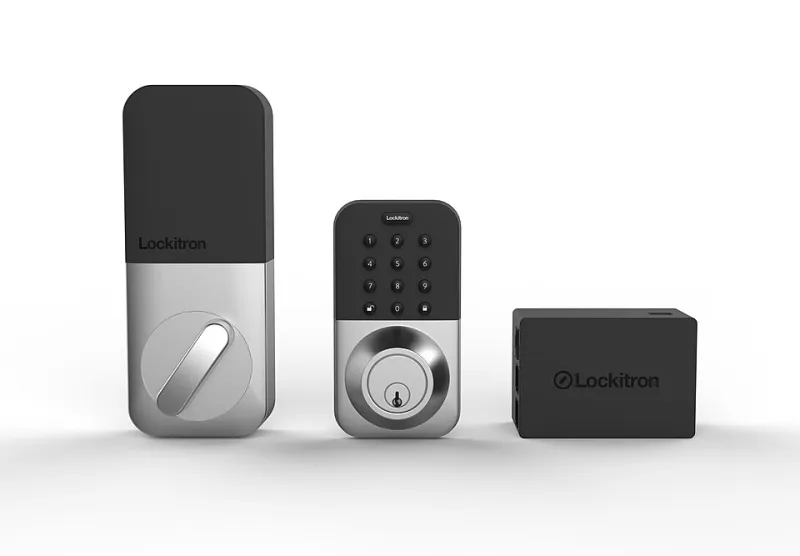
Significant security upgrades almost always require replacement rather than rekeying. If you are transitioning from traditional keyed entry to an electronic access control system, a keypad lock, or a smart lock solution compatible with property management software, you are installing new hardware by definition. Rekeying has no role in that process.
Finally, if your business has experienced a break-in or attempted forced entry, the affected locks should be replaced, not rekeyed. Even if the lock withstood the attempt, the structural integrity of the hardware may be compromised in ways that are not immediately visible.
A Cost Comparison That Reflects NCR Realities
Pricing varies by provider, lock grade, and the number of cylinders involved, but general benchmarks are useful for planning purposes. In the DC Metro market, a professional rekeying service for a single commercial cylinder typically ranges from $25 to $75 per lock, with multi-lock discounts commonly available. Full replacement of a commercial-grade deadbolt, including hardware and labor, generally falls between $150 and $400 depending on the brand and grade selected.
For a small business with four entry points, the difference between a rekeying service and a full replacement can easily exceed $1,000. That is a meaningful sum for an independent operator. However, if replacement is warranted—due to hardware age, grade deficiency, or a security incident—delaying it to save money in the short term is a false economy.
Building a Maintenance Schedule That Prevents the Dilemma
The most effective approach is to treat commercial lock security as an ongoing operational concern rather than a reactive one. NCR business owners who schedule an annual lock assessment with a qualified commercial locksmith are rarely caught in emergency situations that force hasty decisions.
A thorough annual review should include an inspection of all entry hardware for wear, a confirmation that all issued keys are accounted for, and a conversation about whether the current lock grades remain appropriate for the business's security needs. If changes to staffing, tenancy, or operations have occurred during the year, those changes should inform any rekeying or replacement decisions made at that time.
At KeyMaker Inn CR, our directory connects NCR business owners with licensed commercial locksmiths who specialize in exactly this kind of structured, proactive security management. The right provider will not push you toward the most expensive option—they will help you understand which option is actually correct for your situation.
The Bottom Line
The choice between rekeying and lock replacement is not a matter of preference; it is a matter of circumstances. Sound hardware with a key control problem calls for rekeying. Compromised, outdated, or inadequate hardware calls for replacement. A business that understands this distinction—and works with a trusted local locksmith to apply it consistently—is a business that manages its security costs intelligently and maintains the access control its operation requires.