Unauthorized Key Copies: How NCR Homeowners Can Detect a Silent Security Breach
The Breach You Never Saw Coming
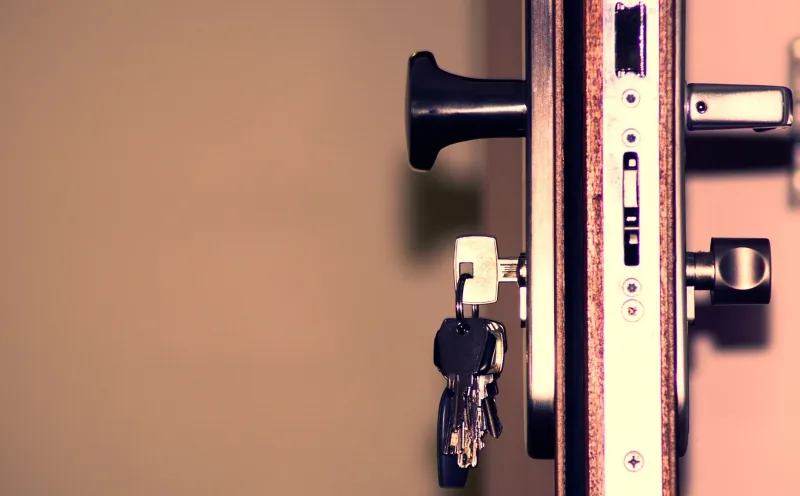
Physical security breaches rarely announce themselves. Unlike a smashed window or a kicked-in door, an unauthorized key duplication leaves no immediate evidence at the scene. The key is returned. The lock still turns. Life continues—until it doesn't.
For homeowners across the National Capital Region, this particular vulnerability deserves far more attention than it typically receives. Whether you live in a rowhouse in Capitol Hill, a townhome in Bethesda, or a detached single-family property in Fairfax County, the possibility that someone has quietly copied your house key is not a paranoid fantasy. It is a documented, recurring security problem—and one that demands a methodical response.
This guide is designed to help you read the signs, assess your situation, and take meaningful action.
Why Unauthorized Key Copying Is More Common Than You Assume
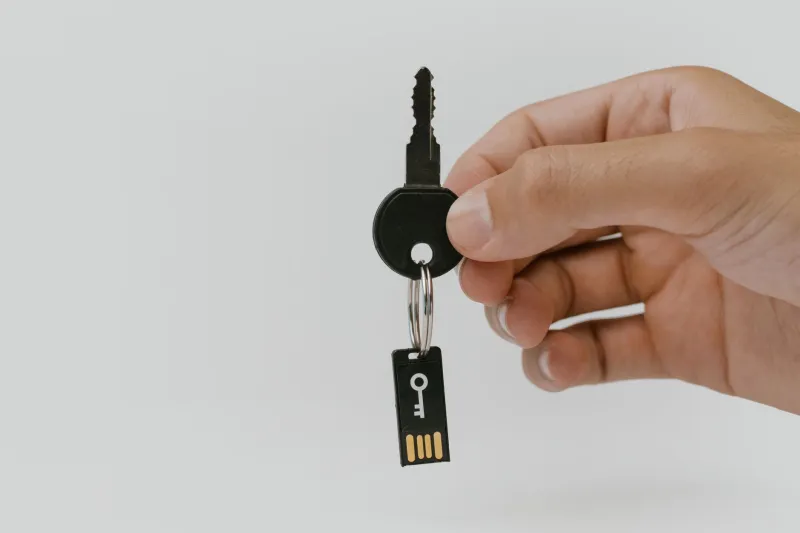
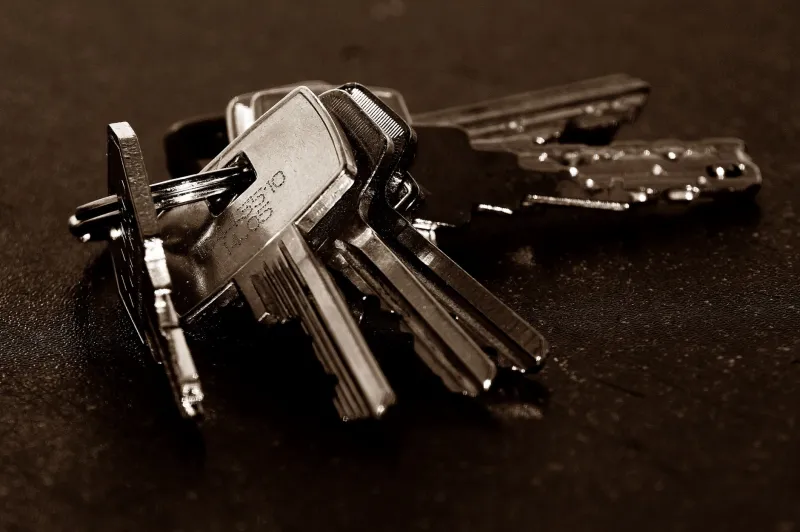
Modern key-cutting technology has made duplication faster, cheaper, and more accessible than at any prior point in history. Retail kiosks at hardware stores and automated key-copying machines now operate without any form of identification verification. A person with access to your key for as little as three to five minutes—a houseguest, a contractor, a domestic worker, even a visiting acquaintance—can have a functional copy made and returned to your key ring before you notice anything is amiss.
In the NCR market specifically, the density of rental properties, service contractors, and transient populations creates a higher-than-average exposure to this type of risk. Property turnover is frequent. Keys pass through many hands. And in the absence of a formal key management protocol, most households have no reliable way of knowing who has had access to their physical keys.
Reading Your Lock Cylinder for Signs of Unauthorized Entry
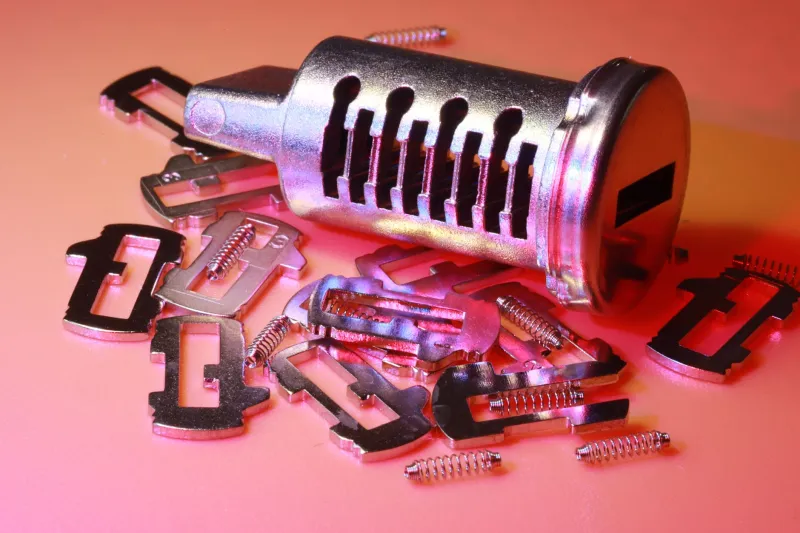
One of the most overlooked detection methods involves examining the lock cylinder itself. While a copied key does not necessarily leave immediate physical evidence, repeated use of an unauthorized duplicate—particularly a poorly cut one—can produce wear patterns that differ from those created by the original key.
Here is what to look for:
Unusual scratching around the keyway. Legitimate use of a well-cut key rarely produces visible scratching on the face of the cylinder. If you notice fresh scratch marks around the keyway that you cannot account for, this may indicate someone is using a key with slightly imprecise cuts, causing minor misalignment on insertion.
Stiffness or resistance that wasn't there before. A newly duplicated key that is cut even marginally out of specification can stress the internal pin stack of a lock cylinder over time. If your lock has become noticeably stiffer to operate, and no weather-related explanation applies, this warrants further investigation.
Subtle misalignment of the deadbolt or latch. If you find your deadbolt occasionally failing to seat cleanly or your latch requiring more force than usual, a poorly cut duplicate may be subtly stressing the lock's internal components.
None of these signs are conclusive on their own. However, when observed in combination—particularly if they emerged following a period in which a third party had access to your keys—they form a meaningful pattern worth addressing.
Behavioral and Environmental Clues That Signal a Problem
Beyond the mechanical evidence, there are behavioral and environmental indicators that experienced locksmiths and security professionals point to when assessing whether unauthorized access has occurred or is being planned.
Items that appear moved or disturbed without explanation. If you regularly return home to find objects subtly out of place—a drawer left slightly open, a closet door ajar, small items shifted on a shelf—and you cannot attribute these occurrences to other household members, this pattern deserves serious consideration.
Unexplained visits or presence during your known absences. Neighbors, building cameras, or smart doorbell footage may capture individuals entering or exiting your property during hours when you are reliably away. If footage or neighbor accounts describe a person using a key rather than forcing entry, the implication is clear.
A former access holder who has not returned their key. This is the most direct and common scenario. A previous contractor, a former partner, an ex-roommate, or a departing employee of a home-based business may have retained a copy—intentionally or otherwise. The absence of a returned key is not confirmation of duplication, but it is a significant risk factor that warrants a hardware response.
Your instinct. Security professionals do not dismiss the intuitive sense that something is not right in one's own home. If you feel that your space has been accessed without your knowledge, treat that impression as data rather than anxiety.
Practical Steps to Take When You Suspect a Breach
If you have identified one or more of the indicators described above, a deliberate, stepwise response is appropriate.
Document what you observe. Before taking any remedial action, record the specific signs that prompted your concern—dates, photographs of lock wear, notes from neighbors, or footage from cameras. This documentation may be useful if the situation escalates to a legal matter.
Contact a licensed locksmith for a professional cylinder inspection. A qualified locksmith in the NCR area can examine your lock cylinder for evidence of unauthorized use, assess the quality and condition of your current hardware, and advise on whether rekeying or full lock replacement is warranted. Rekeying renders all existing keys—including any unauthorized copies—immediately inoperative without requiring you to replace the entire lock mechanism.
Consider upgrading to a restricted keyway system. Standard residential keys can be duplicated at virtually any hardware retailer. Restricted or high-security keyway systems limit duplication to authorized dealers and require proof of ownership before a copy can be made. For NCR homeowners who have experienced or suspect a key-copying incident, this upgrade represents a meaningful long-term deterrent.
Audit your key distribution history. Reconstruct, to the best of your ability, every individual who has had access to your keys over the past one to three years. This exercise frequently surfaces overlooked risk factors—a contractor who was never asked to return a key, a family member who had a copy made during a visit, a neighbor given temporary access during a vacation.
Report to local law enforcement if evidence supports it. If your documentation suggests that unauthorized entry has occurred, filing a police report in your jurisdiction—whether that is the Metropolitan Police Department in DC, Montgomery County Police, Fairfax County Police, or another local agency—creates an official record and initiates the appropriate investigative process.
The Difference Between Awareness and Paranoia
Addressing the possibility of unauthorized key duplication is not about cultivating distrust of everyone in your life. It is about acknowledging that physical key security operates on the same principles as digital password hygiene: access should be deliberate, tracked, and revocable.
The NCR's density, diversity, and high rate of property transactions make it a particularly important market for this type of security awareness. Residents who approach their physical access credentials with the same rigor they apply to their online accounts are not being excessive—they are being practical.
At KeyMaker Inn CR, our directory exists to connect you with licensed, verified locksmith and key-service professionals across the region who can help you assess, address, and strengthen your home's physical security posture. If any of the indicators described in this article resonate with your current situation, the most constructive next step is a professional consultation—not alarm, but action.