Reading the Invoice: How to Tell Whether Your Locksmith Installed the Hardware You Actually Paid For
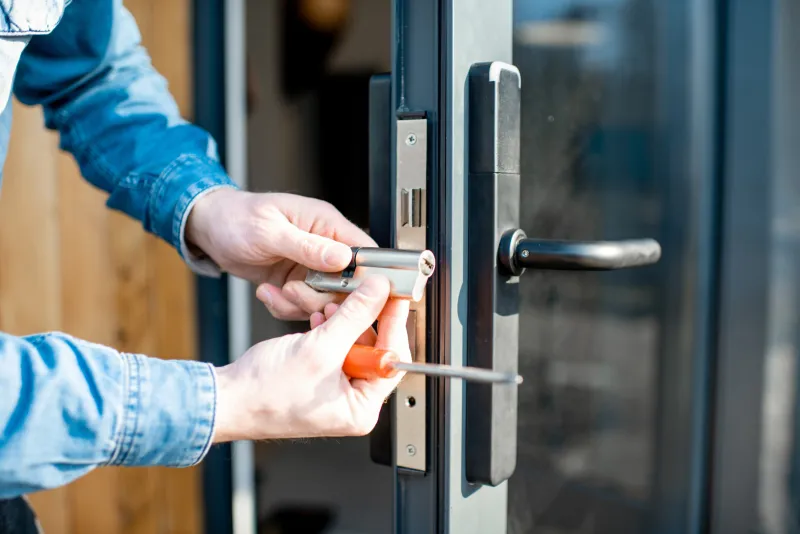
Photo: locksmith installing deadbolt door lock hardware closeup, via images.airtasker.com
When a locksmith replaces a deadbolt, most homeowners watch the work, not the hardware. The new lock turns smoothly, the key works, the invoice is paid, and everyone moves on. Weeks or years later, a sticking bolt or a premature failure raises the first question: was this actually the brand I paid for?
The substitution of generic or off-brand components for premium hardware is a documented problem in the locksmith industry nationwide, and the NCR is not immune. The economics are straightforward. A name-brand Grade 1 deadbolt can cost a contractor several times what an unbranded import costs, yet to an untrained eye the two can look nearly identical on a door. A dishonest operator pockets the difference and bills the customer at full retail.
Why This Fraud Is Hard to Detect
Lock hardware carries few obvious markers for consumers. Brand names may appear only as a small stamp on the faceplate or a marking on the key bow — details most people never examine. Packaging is typically discarded on site. And because a new lock usually works fine on day one, substitution often goes unnoticed until the hardware underperforms: finish that dulls within a season, a bolt that binds in cold weather, or a cylinder that wears out years before its rated lifespan.
Seven Signs Worth Taking Seriously
- The quote named a brand; the invoice does not. If your written estimate specified a particular manufacturer and the final invoice lists only "deadbolt — installed," ask for the brand in writing.
- No packaging left behind. Reputable installers routinely leave boxes with the customer, both for warranty documentation and as proof of what was installed.
- Missing model or part numbers. Genuine commercial-grade hardware is traceable. An invoice without a model number makes warranty claims nearly impossible.
- Price that seems too good for the brand. Premium Grade 1 hardware has a market floor. A quote far below the going rate for the named brand suggests either a counterfeit or a substitution.
- Generic or unmarked keys. Key blanks cut for major lock brands usually carry the manufacturer's name. Unmarked blanks on a supposedly brand-name installation deserve a question.
- Refusal to show the part before installation. A professional should have no objection to letting you see the hardware in its packaging before it goes on the door.
- Vague warranty language. Legitimate manufacturers back their products with explicit warranties. "Covered by us, don't worry" without documentation is a red flag.
Questions to Ask Before Any Lock Replacement
Consumers can eliminate most of this risk before work begins. Ask the locksmith to specify the exact make, model, and finish of the hardware in writing. Request that packaging be left with you. Ask whether the part is ANSI Grade 1 or Grade 2 — a meaningful quality distinction for residential deadbolts. Confirm whether the installation is covered by the manufacturer's warranty, the locksmith's labor warranty, or both.
A legitimate professional welcomes these questions. They are the same questions an informed commercial client would ask, and established businesses answer them routinely.
Verifying After the Fact
If you suspect a substitution already occurred, options remain. Examine the lock's faceplate and latch for manufacturer stamps. Compare the hardware against product photos on the manufacturer's website. Contact the manufacturer's customer service with the model information; many can confirm whether a serial or batch marking is genuine. For significant installations — commercial doors, multi-unit properties, high-security hardware — an independent second opinion from a different licensed locksmith is a reasonable investment.
The Bottom Line for NCR Consumers
The overwhelming majority of locksmiths in the region run honest businesses built on repeat customers and community reputation. But the low barrier to entry in the trade — and the prevalence of anonymous, search-optimized operators — means consumers bear some responsibility for verification. Written specifications, retained packaging, and itemized invoices cost nothing to request and provide everything you need if a dispute ever arises.
Your door hardware is a decade-long purchase. Treat the invoice with the same scrutiny you would give a contract for a roof or a water heater, and the odds of paying premium prices for bargain-bin parts drop dramatically.