Your First 48 Hours: A Renter's Security Timeline for a New NCR Apartment
Photo: Patsy Lynch, Public domain, via Wikimedia Commons
Few moments in renting are as chaotic as the first two days in a new apartment. Boxes everywhere, utilities in transition, and a front door whose lock history you know nothing about. Who lived there before you? Did they return every copy of the key? Did a former roommate, a dog walker, or a contractor keep one?
In the DC metro area, where rental turnover is constant and buildings range from century-old rowhouses to brand-new high-rises, those questions are not hypothetical. The first 48 hours after you get the keys are the single best window to close security gaps — and, unfortunately, also the window when predatory locksmith operators do their best business, targeting stressed newcomers searching frantically on their phones.
Hour One: Take Stock Before You Unpack Anything
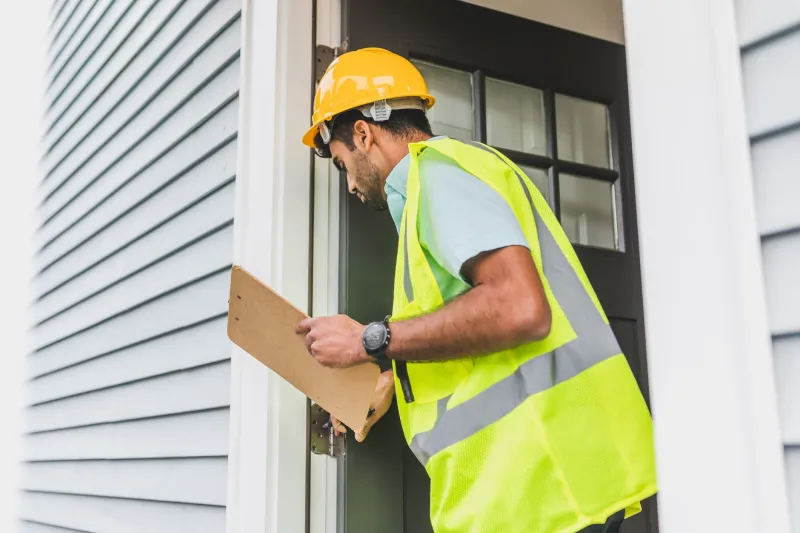
Before the boxes come in, walk the unit with security in mind. Count the entry doors, check every window lock, and test each deadbolt. Photograph anything broken or missing. In a building with a landlord, send those photos in writing immediately — documentation matters for both repairs and your lease record.
Note the lock types. A chain latch is not security. A privacy bedroom lock is not security. What matters is a functioning deadbolt or a quality keyed lock on every exterior door, and functioning window locks throughout.
Day One: Verify Before You Call Anyone
If locks need immediate attention, resist the urge to call the first result on a search page. Phantom locksmith listings — fake local operators who subcontract work to untrained technicians at inflated prices — disproportionately target people in moving-day emergencies.
Instead:
- Ask your landlord or property manager which locksmith the building uses. Established properties have existing vendor relationships.
- If you choose independently, verify the business has a real local address and confirm licensing where applicable. Virginia, Maryland, and the District each have different regulatory frameworks, so know the requirements where you are moving.
- Get the price range for the specific service — a standard rekey, not an ambiguous "lockout service" — before anyone arrives.
Day One or Two: Rekey, in the Right Order
Not every lock needs immediate attention, and budget-conscious renters should prioritize. The order that matters most:
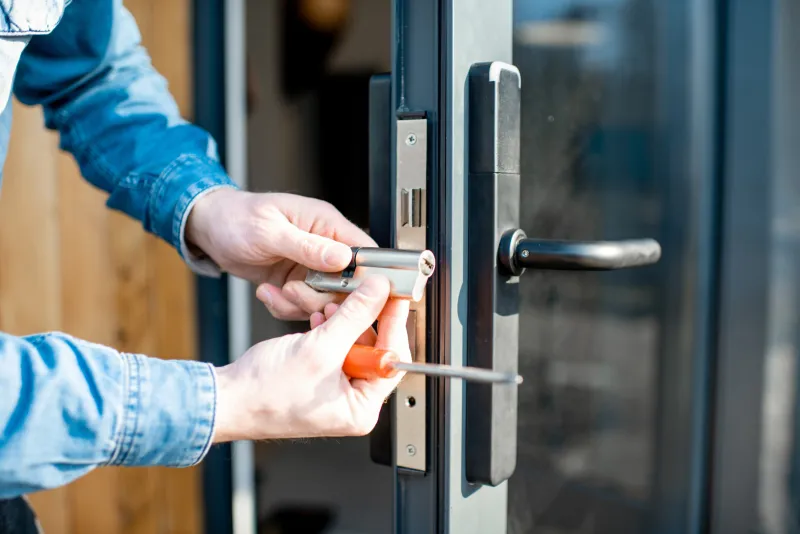
- Your primary entry door. This is non-negotiable. In a single-family rental or rowhouse, request a rekey from the landlord or, where the lease permits, arrange one yourself. In many NCR buildings, management should confirm the cylinder was rotated or replaced between tenants — ask directly and get the answer in writing.
- Any secondary entrance — a rear door, a basement entry, a door to a shared garage.
- Mailbox and storage units, especially in smaller buildings where previous tenants' keys may never have been collected.
Renters should know their rights here. Across the region, landlord obligations regarding lock changes vary, but tenants can generally request rekeying between tenancies, and some jurisdictions require it. A polite written request referencing your move-in date is usually all it takes.
Budgeting Your First-Week Security Spend
A realistic first-week security budget for an NCR renter breaks down roughly as follows:
- Rekey of one entry lock: typically modest in cost when arranged through a legitimate locksmith, and often free or low-cost when required of a landlord.
- A door reinforcement piece or strike plate upgrade: inexpensive and dramatically improves a deadbolt's real-world strength.
- A wedge or portable door alarm: a low-cost stopgap for the first nights in an unfamiliar unit.
- Window lock repairs: usually a landlord responsibility, but worth flagging immediately.
Skip the upsells. A new renter does not need a full high-security system on day two, and any technician pushing one before your boxes are unpacked should be shown the door.
Before You Sleep There the First Night
Finally, handle the small things: test the peephole, confirm exterior lighting near your entrance works, and never hide a key outside in an obvious spot. If the building uses key fobs or coded entry, ask management how access codes were changed after the last tenant.
Moving is exhausting, and security tasks compete with a hundred other priorities. But the sequence above takes only a few hours total, and it addresses the risks that are genuinely yours to manage in a new home. Everything else — the furniture arrangement, the internet installation, the neighborhood exploration — can wait. Your locks should not.