Reading the Lock: What Keyway Profiles and Bitting Patterns Can Tell You About Unauthorized Duplication
Most people interact with their locks the same way every day — insert the key, turn, enter. The lock is background noise, a routine tool that rarely demands attention until something goes wrong. But for security-conscious homeowners and property managers across the National Capital Region, a lock is far more than a mechanical convenience. It is a record-keeper, quietly logging every interaction, every insertion, and in some cases, every attempt to replicate the key that opens it.
Learning to read that record is one of the most underutilized skills in residential and commercial security. This guide walks you through the forensic anatomy of your lock — specifically its keyway profile and bitting pattern — and explains what those features can reveal about unauthorized duplication attempts.
The Anatomy of a Lock: Where the Evidence Lives
To understand what you are looking for, it helps to understand the two primary elements of a lock's mechanical identity.
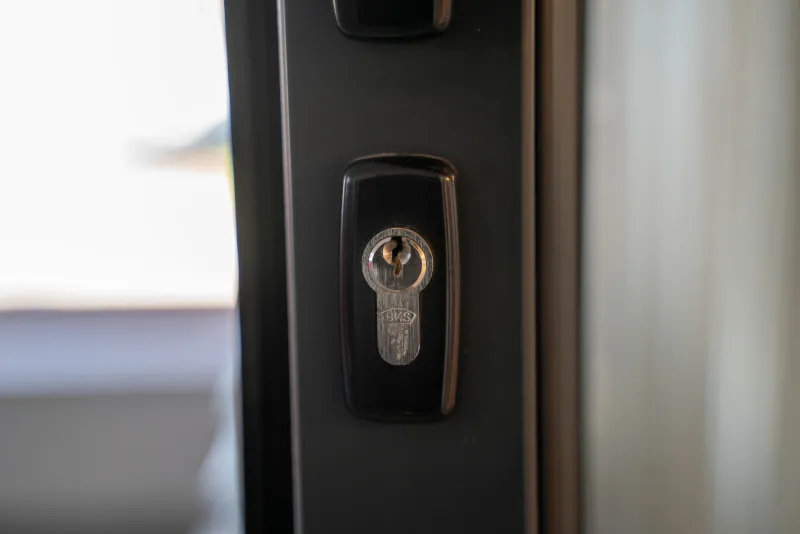
The keyway profile refers to the specific shape of the opening through which a key is inserted. Manufacturers design keyways with unique geometries — ridges, notches, and angular cuts — that are intended to prevent incompatible keys from entering the lock at all. In a well-maintained lock, the keyway should appear clean, sharp, and consistent with its original manufactured shape.
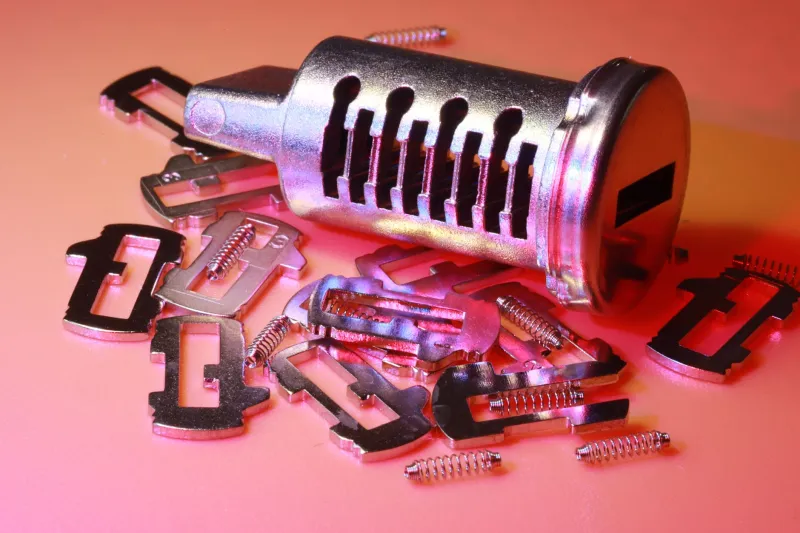
The bitting pattern refers to the series of cuts along the blade of a key that correspond to the specific pin heights inside the lock cylinder. When the correct key is inserted, those cuts align the pins to the shear line, allowing the cylinder to rotate. The bitting code for any given lock is, in theory, unique — though as many NCR locksmiths will confirm, the number of truly distinct combinations available in standard consumer-grade hardware is surprisingly limited.
Together, these two elements define your lock's mechanical fingerprint. And when that fingerprint has been examined, copied, or tampered with, it often leaves traces.
Physical Signs That a Key May Have Been Duplicated
Unauthorized key duplication does not always involve sophisticated technology. In many cases, all it takes is a brief, unsupervised moment with your key and access to a standard key-cutting machine — the kind found at hardware stores and big-box retailers throughout the DC Metro area.
Here is what to look for when inspecting your lock:
Unusual Wear Patterns Inside the Keyway
Run a flashlight across the interior of your keyway. Normal use produces gradual, even wear along the surfaces the key contacts most frequently. What you do not want to see is asymmetrical scratching, scuff marks that angle away from the natural insertion path, or fresh bright metal exposed in areas that should show aged patina. These can indicate that a foreign object — a key blank, a template, or an impression tool — was inserted and manipulated at an unusual angle.
Residue or Debris Around the Cylinder Face
Key impression techniques, which involve pressing a key blank against the lock pins to capture depth marks, sometimes leave behind faint residue. Graphite powder, soft wax compounds, or even light tool marks around the cylinder face may be signs that someone attempted to record the lock's internal configuration. Wipe the cylinder face with a clean cloth and examine what comes away.
Inconsistencies in Key Insertion Feel
If you have used the same key in the same lock for years, you likely have an intuitive sense of how it should feel. Any new roughness, binding, or resistance during insertion — particularly if the key itself has not changed — warrants closer inspection. This can indicate that the lock pins have been disturbed or that a recently cut duplicate key, machined with slight inaccuracies, has been used in the lock.
Micro-Scratches on the Key's Blade
Examine your own key under a magnifying glass or a bright light. Key duplication machines leave faint but identifiable cutting marks. If you notice scratches on your key's blade that you did not make yourself — or if a spare key you have not personally used shows signs of recent cutting wear — that is a meaningful red flag.
High-Security Keyways: Why They Matter More Than You Think
One of the most practical defenses against unauthorized duplication is upgrading to a restricted keyway system. Standard keyways are openly available — blanks for common profiles like Kwikset KW1 or Schlage SC1 can be purchased at virtually any hardware store in Northern Virginia, Maryland, or the District. Restricted keyways, by contrast, are proprietary. Blanks are controlled through licensed distributors, meaning a key cannot legally be duplicated without authorization from the registered key holder.
NCR property managers overseeing multi-tenant buildings, commercial facilities, or rental units should take particular note. The administrative burden of tracking key issuance is dramatically reduced when duplication requires documented authorization — and the security benefit of knowing that no unauthorized copies exist in circulation is substantial.
Reputable locksmiths in the NCR can advise on restricted keyway systems appropriate for residential and commercial applications. Brands such as Medeco, Mul-T-Lock, and ASSA Abloy offer high-security cylinders with patented keyways that are significantly harder to replicate through conventional means.
How to Document What You Find
If you suspect unauthorized duplication has occurred, documentation is essential before taking any further action.
Photograph the keyway, the cylinder face, and both sides of your key blade. Note the date, location, and any contextual details — such as whether a contractor, service worker, or temporary resident recently had unsupervised access to the key. This information will be valuable both for a locksmith assessment and, if necessary, for a report to local law enforcement.
NCR homeowners should also consider requesting a lock inspection service from a licensed locksmith, who can examine the cylinder internals for evidence of picking, bumping, or impression attempts that may not be visible from the outside.
When Inspection Should Trigger Action
Inspection is a diagnostic step, not a resolution. If your examination — or a professional assessment — reveals credible signs of tampering or unauthorized copying, the appropriate response is rekeying at a minimum, and full cylinder replacement in more serious cases.
Rekeying changes the internal pin configuration so that existing keys no longer operate the lock. It is a cost-effective first response when the keyway itself remains sound. Cylinder replacement is warranted when the physical hardware shows signs of damage, degradation, or compromise that rekeying alone cannot address.
For property managers and facility operators across the NCR, this should also trigger a review of your key issuance log — or the creation of one, if none currently exists.
Becoming a More Informed Security Advocate
The goal of this kind of forensic awareness is not to create anxiety about every scratch on a lock cylinder. It is to shift homeowners and property managers from passive users of security hardware into informed, attentive advocates for their own safety.
Your lock communicates with you. The keyway profile tells you whether your hardware is standard or restricted. The bitting pattern tells you how many potential duplicates could theoretically operate your lock. The wear marks and residue on your cylinder tell you how your lock has been treated. Learning to read those signals is a practical, low-cost investment in the security of your home or property.
KeyMaker Inn CR maintains a directory of licensed, verified locksmith professionals across the NCR who can assist with lock inspections, cylinder assessments, and restricted keyway upgrades. When your inspection raises questions, the right professional can provide answers — and solutions — that protect what matters most.